

Yen–dollar exchange rate surpasses 155 yen…May become a factor in Japan's rate decision
Summary
- The yen–dollar exchange rate surged to 155.33 yen, marking the highest level in nine months.
- Observers say the timing of the Bank of Japan's policy rate increase will depend on Prime Minister Takaichi's understanding and movements in the yen exchange rate.
- It reported that Japanese government bond yields hit a 17-year high due to large-scale fiscal measures such as a supplementary budget and yen weakness.
Ahead of the December monetary policy meeting
First meeting between Ueda and Takaichi
Prime Minister Sanae Takaichi held her first meeting with Bank of Japan Governor Kazuo Ueda since taking office. With speculation that the Bank of Japan could raise its policy rate as early as December, the question is whether Prime Minister Takaichi, a proponent of monetary easing, will accept that.
In their first meeting on the 18th, Takaichi and Governor Ueda exchanged views on financial, economic and price conditions. It is reported that they discussed the financial normalization the Bank of Japan has pursued since last year. The two first exchanged greetings at the Council on Economic and Fiscal Policy on the 12th. Takaichi has so far taken a cautious stance on premature policy rate hikes, saying, "It cannot be said that we have escaped deflation." Governor Ueda at the time explained that "there is also a risk in maintaining an accommodative stance."
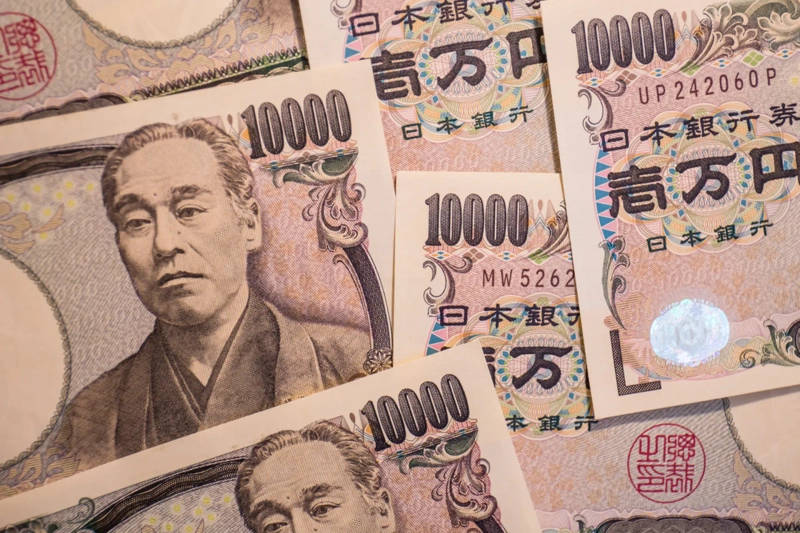
Market observers say the timing of the Bank of Japan's policy rate increase will depend on whether Prime Minister Takaichi understands it. The yen–dollar exchange rate is a variable. In the Tokyo foreign exchange market that day, the yen–dollar rate at one point surged to 155.33 yen per dollar. It was the highest in nine months. In the bond market, the 10-year government bond yield at one point rose to an annual 1.755%, marking a 17-year high.
Concerns about worsening public finances grew on speculation that the Japanese government will compile an unprecedentedly large supplementary budget, causing the yen to weaken and bond yields to rise. The Takaichi cabinet is planning economic measures of about 17 trillion yen, with a supplementary budget to support it at around 14 trillion yen. Except for the 2020 fiscal year during COVID-19, this would be the largest on record. Finance Minister Satsuki Katayama said at a press conference that day about the recent yen weakness, "It has shown very one-sided and rapid movements, and we are concerned."
Tokyo = Correspondent Kim Il-gyu black0419@hankyung.com

Korea Economic Daily
hankyung@bloomingbit.ioThe Korea Economic Daily Global is a digital media where latest news on Korean companies, industries, and financial markets.