

PiCK
'Easing of the separation of finance and virtual assets' movement…Naver·Dunamu merger green light
Summary
- Financial regulators indicated they may ease the regulation on the separation of finance and virtual assets, signaling a positive step for the merger of Naver Financial and Dunamu.
- The companies' share exchange ratio is likely 1 to 3, and Naver plans to include Dunamu's annual operating profit of over 1 trillion won in its consolidated results.
- The merger's success depends on securing some shareholder consent from Dunamu's minority shareholders, and changes in the regulatory environment could increase investment appeal.
Financial regulators move to revise regulations
Share exchange ratio likely 1 to 3
Final confirmation at the board meeting on the 26th
Only some shareholder consent remains at the general meeting
Financial regulators: "Considering global trends
we will reexamine the principle of separating finance and virtual assets"
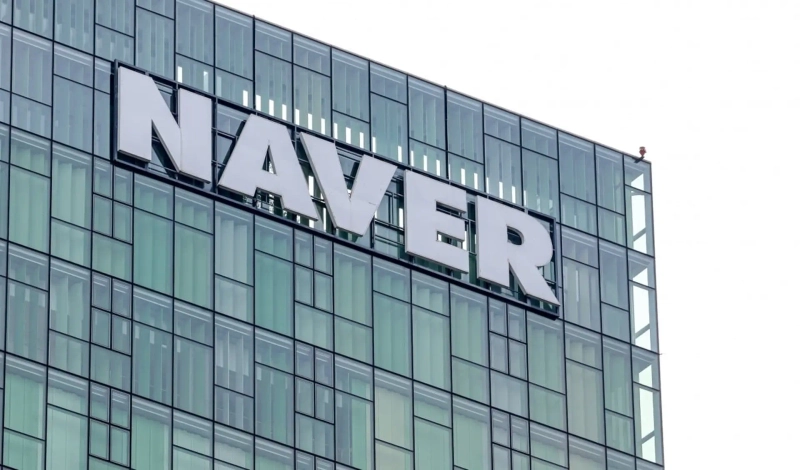
Naver's subsidiary Naver Financial and Dunamu, which operates the cryptocurrency exchange Upbit, are set to have their merger finally confirmed at each company's board meeting later this month. The share exchange ratio between Naver Financial and Dunamu has effectively settled at around 1 to 3. While the separation of finance and virtual assets emerged as an issue in talks about the merger, the financial authorities' indication of regulatory easing is seen as a "green light" for the deal.
Naver·Dunamu 'big deal' board meetings
According to the financial investment industry on the 19th, the two companies plan to hold board meetings as early as the 26th to put forward an agenda for a comprehensive share exchange. Naver Financial's corporate value is estimated at about 4.7 trillion–5 trillion won, and Dunamu's corporate value is estimated at about 14 trillion–15 trillion won, making a 1 to 3 exchange ratio likely.
For the merger to proceed, a board resolution must be followed by a special resolution at the shareholders' meeting. Approval requires at least two-thirds of attending shareholders and the consent of at least one-third of the total issued shares. Naver Financial is easily positioned to pass the shareholder vote because Naver holds 70% and Mirae Asset Group holds 30%. Mirae Asset had voiced dissatisfaction that Naver Financial was undervalued, but agreed to the merger plan for now.
Dunamu's shareholders' meeting is expected to be contentious. Chairman Song Chi-hyung of Dunamu (25.5%) and Vice Chairman Kim Hyung-nyeon (13.1%) together hold 38.6% as management shares. About an additional 27% of allies are needed. Dunamu is expected to first persuade major shareholders such as Kakao Investment (10.6%), Woori Technology Investment (7.2%), Hanwha Investment & Securities (5.9%), and Hybe (2.5%), then secure retail shareholders. Some minority shareholders have even indicated they may refuse to attend the shareholders' meeting, arguing Dunamu's value is underestimated.
If the merger is completed, Chairman Song would hold 19% of the integrated Naver Financial, and Vice Chairman Kim would hold 9%, giving Dunamu's management a combined 28%, making them the largest shareholders. Naver, currently the largest shareholder of Naver Financial with 70%, would drop to about 17% as the second-largest shareholder.
Naver has agreed to receive more than half of the voting rights of Naver Financial shares from Dunamu's management to incorporate Dunamu as an affiliate. This is to include Dunamu's annual operating profit of over 1 trillion won in consolidated results. Under the current Fair Trade Act, whether a company is incorporated into a group is judged by actual control rather than the presence of a single largest shareholder, so Dunamu can be incorporated into Naver's group.
Financial authorities likely to ease regulations
Earlier, some in the financial sector pointed out that "Naver Financial's incorporation of Dunamu as a subsidiary could conflict with the separation of finance and virtual assets regulation." The separation of finance and virtual assets has been a principle the government has maintained since late 2017. The financial authorities strictly limit financial companies from investing in virtual assets or collaborating with related firms to prevent shocks in the virtual asset market from spreading to traditional finance.
The two companies plan to explain the background and structure of the merger to the financial authorities. Inside the authorities, it is reported that the dominant view is that the integration does not violate the separation principle. Electronic financial operators like Naver Pay are not classified as financial companies under the "Act on the Structural Improvement of the Financial Industry," and unlike traditional financial companies such as banks and insurers, they do not directly manage customer funds.
There is also a possibility that the separation regulation could be relaxed in the future. A financial authority official said, "Since the separation principle was first established, the industry and regulatory environment surrounding virtual assets have changed significantly," and added, "Considering global trends, it is necessary to reexamine the separation principle."
Cha Junho/Seo Hyung-gyo reporters chacha@hankyung.com

Korea Economic Daily
hankyung@bloomingbit.ioThe Korea Economic Daily Global is a digital media where latest news on Korean companies, industries, and financial markets.