

Lutnick, U.S. Commerce Secretary: "EU must change digital rules if it wants steel tariff cuts"
Summary
- U.S. Commerce Secretary Howard Lutnick said the EU must change digital rules if it wants steel and aluminum tariff cuts.
- The two sides said they had pledged to continue negotiations to reduce the 50% tariff on EU steel and aluminum.
- Lutnick stressed that changing digital rules could bring hundreds of billions to $1 trillion in investment benefits to U.S. companies.
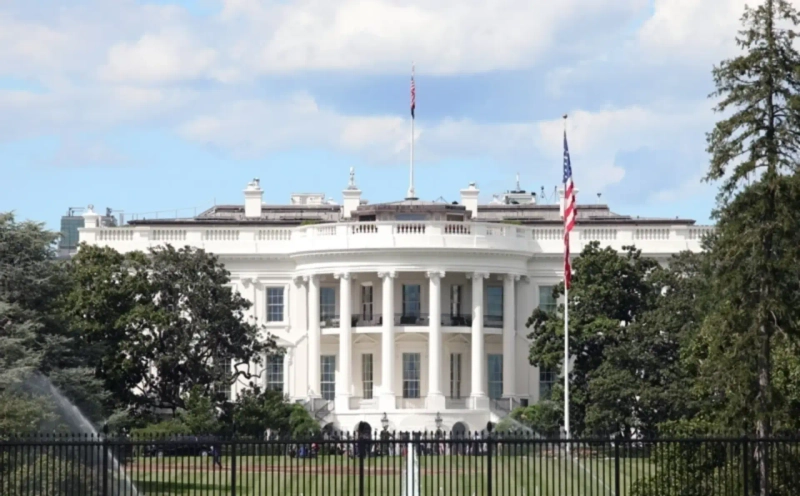
U.S. Commerce Secretary Howard Lutnick said the European Union (EU) must change digital rules if it wants cuts to tariffs on steel and aluminum.
Lutnick told Bloomberg TV in an interview on the 24th (local time) that "we are discussing measures to eliminate EU tech regulations." He added, "In return, we will strike a good deal in the steel and aluminum sectors."
Lutnick and U.S. Trade Representative Jamison Greer are visiting Brussels that day on their first official trip since concluding a trade agreement with the EU.
Under the agreement, the U.S. will impose a 15% tariff on EU goods, and the EU has promised to eliminate tariffs on U.S.-made manufactured goods and certain agricultural products and foods. The two sides also pledged to continue efforts to reduce the 50% tariffs on EU steel and aluminum. The EU currently imposes a 50% tariff on global steel imports that exceed certain quotas, which has dealt a heavy blow to South Korean steel exports to the EU.
Lutnick made clear that negotiations related to steel or aluminum are conditional on the EU changing its digital rules. He said, "If they step back from the regulatory framework and make it more attractive for our U.S. companies, we could gain investment benefits of hundreds of billions, possibly up to $1 trillion."
Kim Jeong-ah, contributing reporter kja@hankyung.com

Korea Economic Daily
hankyung@bloomingbit.ioThe Korea Economic Daily Global is a digital media where latest news on Korean companies, industries, and financial markets.