

US Republicans push to include a full CBDC ban clause in the National Defense Authorization Act
Summary
- It reported that within the U.S. Republican Party, moves to include a full ban on CBDC in the NDAA have reemerged.
- Representative Self emphasized submitting an amendment to fully prohibit the Federal Reserve's CBDC testing, development, and implementation, and said some members raised concerns that CBDC could weaken individual control over assets and enable government surveillance.
- The Trump administration also joined the full ban on CBDC development via executive order, drawing investors' attention to the passage of related legislation and the future direction of virtual assets policy.
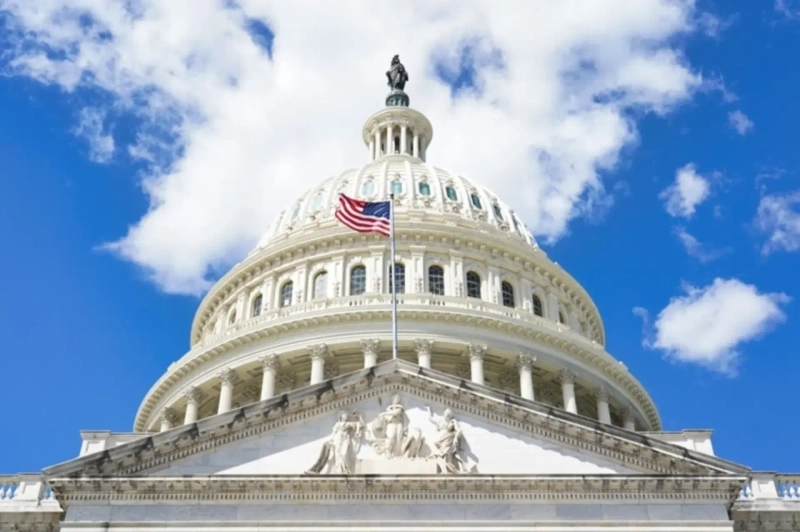
Moves within the U.S. Republican Party to block the introduction of central bank digital currency (CBDC) are rising again. U.S. Representative Keith Self submitted an amendment to include a full ban on CBDC in the National Defense Authorization Act (NDAA), arguing that "the bill must be corrected."
On the 10th (local time), according to Decrypt, Representative Self submitted an amendment titled 'Anti-CBDC Surveillance State' to the House Rules Committee ahead of NDAA consideration. The provision would prohibit the Federal Reserve (Fed) from testing, developing, or implementing CBDC or similar digital assets in any form, and would also block Federal Reserve banks from offering financial products directly to individuals or opening accounts for them.
Representative Self said, "The promise to include language banning CBDC in the bill was not kept," adding, "My amendment corrects that promise." Previously, Republican leadership had planned to bring the NDAA to the House floor for consideration on the afternoon of the 11th.
The amendment is a response to growing Republican backlash after the CBDC ban language that Speaker Johnson had promised to conservative members was left out of the 3,086-page bill text. Some members have raised concerns that CBDC could weaken individuals' control over their assets and be abused for government surveillance.
In a Fox Business interview, Representative Self said, "Conservatives were promised that the CBDC ban language prepared by Whip Tom Emmer would be included in the NDAA," adding, "After hours of review, I confirmed that the language was omitted." He emphasized, "Because the NDAA is a must-pass bill, the amendment should be adopted to normalize it."
The CBDC controversy is spreading to other hardline Republican members. Representative Marjorie Taylor Greene said, "I support virtual assets, but I can never support a system that would allow the government to block individuals' access to their assets." Representative Warren Davidson also argued, "CBDC is government intervention between the people and their money," adding, "There is the president's executive order banning CBDC, but additional legal authority is needed."
Meanwhile, a House leadership official explained, "During negotiations over the bipartisan housing policy package, the CBDC ban provision was judged to be a concession that would be difficult to accept," adding, "Keeping that language would have been difficult for our members to accept."
The debate was sparked after President Donald Trump signed an executive order in January this year that fully bans federal agencies from developing or advancing CBDC. The Trump administration maintains that CBDC could pose risks to financial stability, individual privacy, and national sovereignty.

YM Lee
20min@bloomingbit.ioCrypto Chatterbox_ tlg@Bloomingbit_YMLEE