

Summary
- The IMF said stablecoins could pose significant risks to countries with inadequate regulation and safeguards.
- The IMF pointed to major risks including disruption of financial market functioning from large-scale redemptions of stablecoins, currency substitution, and increased volatility in capital flows.
- The IMF raised concerns about regulatory fragmentation and regulatory arbitrage, and emphasized the need for domestic and international cooperation among regulators.
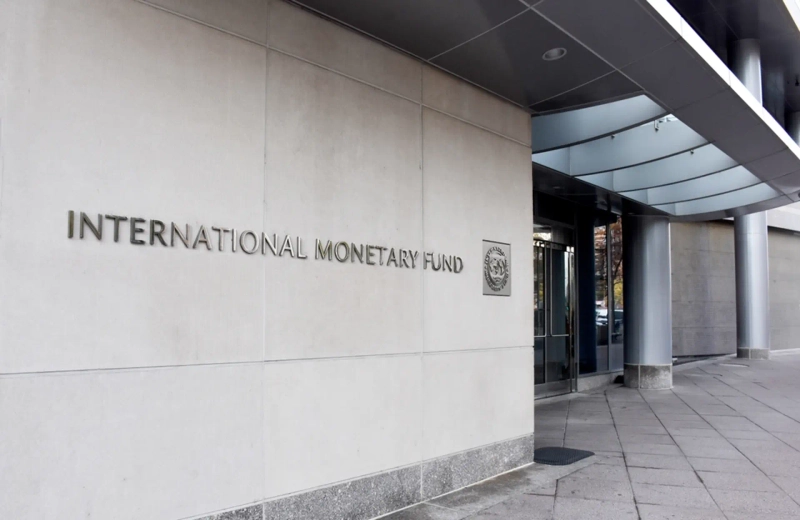
The International Monetary Fund (IMF) said that stablecoins "could pose significant risks to some countries."
On the 10th (local time), industry sources reported that the IMF recently published the report 'Understanding Stablecoins'. In the report, the IMF said, "In the absence of appropriate regulation and safeguards, stablecoins could pose significant risks, especially to countries with weak macroeconomic fundamentals (underlying strength) and institutions," adding, "These risks are related to macrofinancial stability, operational efficiency, financial soundness, and legal certainty."
What the IMF pointed out was the possibility of a 'coin run (Coin Run·large-scale redemptions)'. The IMF noted, "Value changes in stablecoins can arise from market and liquidity risks of the collateral assets," and "If users lose confidence in stablecoins, especially when redemption rights are limited, sharp value declines can occur." It added, "If stablecoins are widely adopted, large-scale redemptions could trigger fire sales of collateral assets and impair the functioning of financial markets."
The IMF also said, "Currency substitution, increased volatility in capital flows, and fragmentation of payment systems could also occur," adding, "These risks are likely to be more severe in high-inflation countries, countries with weak institutions, and countries with diminished confidence in their currency."
It also mentioned the regulatory situation in major countries. The IMF said, "Although several countries have introduced (stablecoin) regulatory standards, the situation remains fragmented," noting, "A comparative analysis of regulations in the United States, Japan, and the European Union (EU) shows differences in approaches on important areas such as potential issuers and how overseas stablecoins are treated." It added, "This can create regulatory arbitrage and weaken the overall effectiveness of regulation," and "Holding stablecoins in unregulated wallets will also limit regulatory effectiveness."
The IMF also emphasized the need for cooperation among national regulators. The IMF explained, "The cross-border nature of stablecoins creates additional complexity for regulators and statistical agencies," and said, "Strengthened domestic and international cooperation is essential." The IMF said, "Additional measures and cooperation are required to manage macrofinancial risks such as currency substitution and volatile capital flows," and "It will continue to closely monitor the impact and developments of stablecoins on the international monetary system."

JOON HYOUNG LEE
gilson@bloomingbit.ioCrypto Journalist based in Seoul