

U.S. and OECD clash again over global minimum tax… China also raises repeated objections
Summary
- It reported that the global minimum tax system was introduced to block multinational companies' tax avoidance.
- It said the United States and China each demanded exemptions from the application of the minimum tax, prompting objections from some countries.
- It reported that if the OECD fails to prepare revised agreement proposals by the end of the year, the possibility of retaliatory measures by the United States was raised.
Tensions between the United States and the Organisation for Economic Co-operation and Development (OECD) are rising again over the global minimum tax system designed to prevent multinational corporations from avoiding taxes.
According to the Financial Times (FT) on the 11th (local time), the OECD had planned to announce revisions to the global minimum tax agreement that day, but the announcement was scrapped after some countries raised objections. The global minimum tax is a system to prevent multinational companies from avoiding taxes by moving their headquarters or subsidiaries to countries with low corporate tax rates.
It applies a minimum 15% tax rate to companies with consolidated revenues of 750 million euros (about 1.3 trillion won) or more, and allows other countries to exercise additional taxation rights over companies that are subject to lower tax rates.
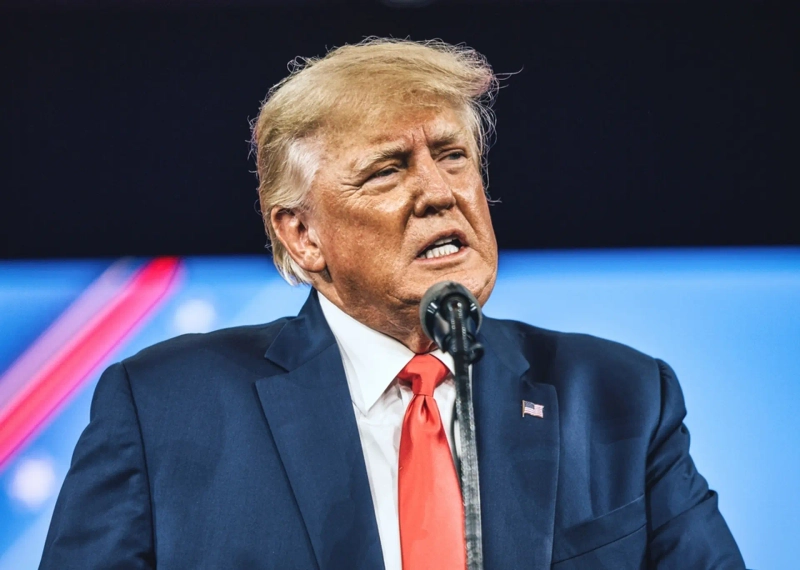
Market observers have pointed to U.S. big tech companies such as Apple, Alphabet, Meta, and Amazon as likely primary targets. The prior Biden administration had agreed to introduce the global minimum tax, but the stance was reversed after President Donald Trump took office. President Trump opposed it, saying, "The global minimum tax hands over the United States' taxing sovereignty to other countries," and that "we will respond with tariffs and the like against countries that apply this system to U.S. companies."
In fact, the U.S. Congress even pursued legislation that would retaliate against countries that apply the global minimum tax to American companies. In response, the OECD had been discussing exempting U.S. companies from the global minimum tax and planned to finalize revisions including this exemption by the end of the year.
However, the document disclosure process was suspended after some countries raised issues. China demanded the same exemption treatment as the United States. Estonia pointed out, "If U.S. and Chinese companies receive special treatment, only EU companies will bear the regulatory and administrative burdens," adding, "The potential additional tax revenue is limited compared with the huge administrative costs."
The Czech Republic and Poland, which have long offered various tax incentives to multinational companies, have also shown a negative stance toward the global minimum tax itself. If the OECD fails to prepare revised agreement proposals by the end of the year, there is also a possibility that the United States will take retaliatory measures against the OECD.
Reporter Hye-in Lee hey@hankyung.com

Korea Economic Daily
hankyung@bloomingbit.ioThe Korea Economic Daily Global is a digital media where latest news on Korean companies, industries, and financial markets.