U.S. Trade Deficit Plunges to Lowest Level Since 2009
Summary
- The U.S. trade deficit in October came in at $29.4 billion, about 40% narrower than in September and far below market expectations.
- A surge in physical gold transactions—especially exports of ingots—and a sharp drop in pharmaceutical imports were key drivers, raising the possibility it was a temporary move.
- Trade-related volatility could widen again depending on a U.S. Supreme Court ruling on the IEEPA and the White House’s potential use of additional tariffs.
Forecast Trend Report by Period


October deficit $29.4 billion…about 40% narrower than September
Surge in physical gold trades and sharp drop in pharmaceutical imports drove the move
Volatility could pick up again depending on a U.S. Supreme Court ruling
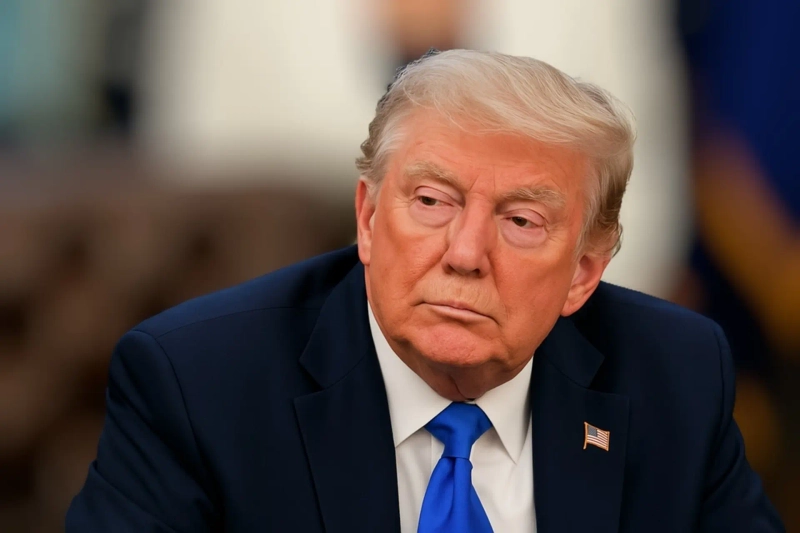
The U.S. trade deficit shrank sharply in October last year to its lowest level since 2009.
The Commerce Department said on the 8th (local time) that the unexpected result came as the Donald Trump administration’s steep tariffs made trade flows more volatile over the year.
U.S. imports fell to $331.4 billion in October, while exports rose to $302.0 billion. As a result, the October trade deficit was tallied at $29.4 billion, about 40% smaller than in September.
The market forecast surveyed by The Wall Street Journal (WSJ) had called for a $58.4 billion deficit, and the actual figure came in well below that. Publication of these trade data was delayed, however, due to the fallout from the federal government shutdown that occurred last fall.
The figures suggest that abrupt swings in a few limited areas of trade significantly distorted the headline number. CNBC said in particular that transactions in precious metals and pharmaceuticals had the biggest impact on volatility. Exports of gold and other metals rose by about $10 billion in October, exceeding the overall increase in exports (about $7 billion from the prior month).
Analysts say that as large capital flows in financial markets—such as gold futures trading—have spilled into the market for physical metal ingots (gold bars), instances of distortion in trade statistics have been increasing.
As gold futures activity for investment and hedging surged, some trades resulted in physical delivery, increasing cross-border movements of bullion. Although gold is an asset not directly tied to consumption or production, these movements are recorded in import and export statistics, causing some months’ trade balances to swing sharply.
As a result, questions have been raised over whether the recent narrowing of the trade deficit reflects structural improvement in the real economy, rather than a temporary phenomenon driven by financial-market factors.
A sharp drop in pharmaceutical imports in October also contributed to the smaller deficit. This is seen as an effect of President Trump’s late-September warning that he could impose a 100% tariff on foreign-made drugs. The remarks appear to have prompted drugmakers to rapidly adjust supply plans to minimize the tariff shock.
Since his first term, Trump has consistently said he would use tariffs to reduce the U.S. trade deficit. He has argued that the deficit is “evidence that foreign countries are taking advantage of the United States.” Many economists counter that making trade-balance parity itself a policy objective is undesirable, noting that tariffs may not be effective in achieving Trump’s long-term “low-deficit” goal.
Over the past year, U.S. trade patterns have swung sharply in line with the pace of policy changes. A year ago, as Trump was preparing to take office on a platform centered on tariffs, companies rushed to build inventories of foreign goods ahead of new levies, pushing the trade deficit higher.
After the Trump administration’s first major global tariff package took effect last April, the trade deficit narrowed sharply. Since then, the trade balance has continued to post large swings as companies adjusted to frequent policy tweaks, trade negotiations and supply-chain pressures.
Further volatility remains possible. If the U.S. Supreme Court issues a ruling limiting the application of the International Emergency Economic Powers Act (IEEPA), which the Trump administration used as the legal basis for its tariffs, importers could get some relief. The Court could reach a decision as early as the 9th.
Even if tariffs imposed under the IEEPA are invalidated, the White House may seek to reimpose levies using other legal authorities, raising the prospect that U.S. importers and exporters could face another bout of trade uncertainty.
New York=Correspondent Park Shin-young nyusos@hankyung.com

Korea Economic Daily
hankyung@bloomingbit.ioThe Korea Economic Daily Global is a digital media where latest news on Korean companies, industries, and financial markets.