Russian Central Bank: Cross-Border Crypto Transactions Must Be Fully Reported
Summary
- The Bank of Russia said it will significantly tighten reporting requirements for customers’ cross-border transactions, particularly fund flows linked to virtual assets (cryptocurrencies).
- Under the new rules, commercial banks must file transaction-by-transaction detailed reports covering virtual-asset purchases and sales, digital financial assets (DFAs), tokenized securities, NFTs, and even payments for online services.
- The Bank of Russia has prepared rules that classify Bitcoin (BTC) and Ether (ETH) as monetary assets and improve retail investors’ market access, and said related legislation could pass as early as this summer.
Forecast Trend Report by Period


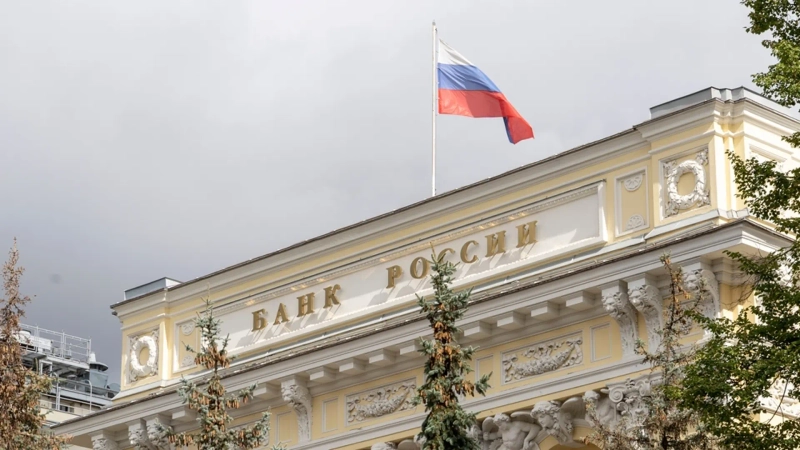
The Bank of Russia will significantly tighten reporting requirements for commercial banks on customers’ cross-border transactions—particularly fund flows related to virtual assets (cryptocurrencies).
According to Cryptopolitan on the 15th (local time), regulators plan to revise existing reporting standards for financial institutions to scrutinize all individuals’ international remittance records.
Under the new rules, Russian commercial banks must report customers’ transaction details on a per-transaction basis. They must specify, in detail, the residence information of the sender and recipient, the payment method used, intermediaries, fee information, and even whether the source of funds is cash or an account.
Virtual-asset transactions, in particular, will be classified as a “special management category.” Banks must report purchases and sales of virtual assets as separate items, and transactions involving digital financial assets (DFAs), tokenized securities, or non-fungible tokens (NFTs) must be submitted with detailed information via a dedicated section. The scope also extends beyond simple investment to include data on payments for online services such as games and software.
Regulators are also accelerating efforts to formalize the virtual-asset framework. Last December, the Bank of Russia unveiled new regulatory proposals that classify Bitcoin (BTC), Ether (ETH) and others as monetary assets and improve market access for retail investors. Related legislation could be passed as early as this summer. Authorities also plan to launch a preemptive review of commercial banks’ exposure—such as investments in or loans to virtual-asset firms.

Doohyun Hwang
cow5361@bloomingbit.ioKEEP CALM AND HODL🍀