Stablecoins back in focus amid Venezuela turmoil… USDT spreads as a 'dollar alternative in times of crisis'
Summary
- It reported that amid political and military instability, restricted access to dollars, and hyperinflation, USDT is spreading as a de facto 'digital dollar.'
- It said that during the Venezuela turmoil, USDT prices in local P2P markets surged to as high as $1.40, with panic-driven demand causing a temporary price dislocation.
- It reported that even amid crisis conditions and the risk of government asset controls and confiscation, stablecoins are seen as a better option, and USDT usage is likely to persist for the time being.
Forecast Trend Report by Period


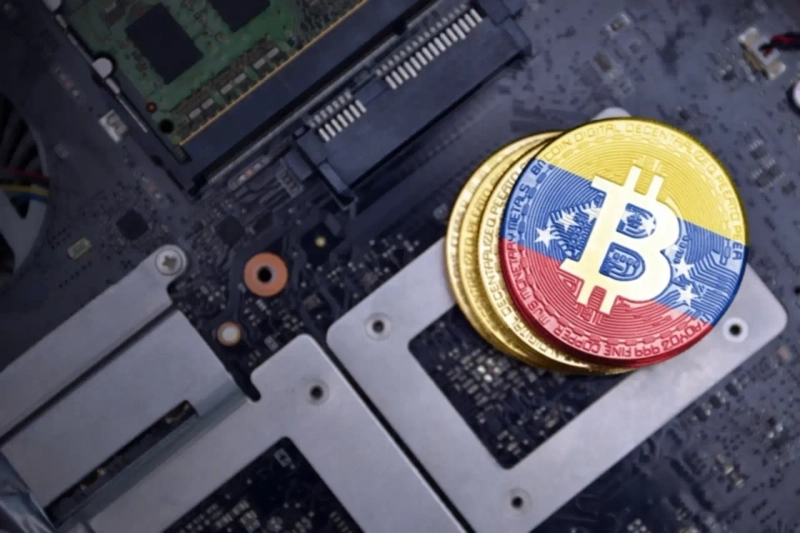
An analysis suggests that in countries where political and military instability is intensifying, dollar-pegged stablecoins are effectively being used as a means of survival. The turmoil in Venezuela has once again brought attention to Tether (USDT).
According to U.S. business outlet CNBC on the 19th, following U.S. military intervention, residents in Venezuela began moving funds into USDT to protect the value of their local currency, the bolívar. While the timing of the strike was unexpected, observers say the rush into stablecoins during crises is a pattern that has repeated itself.
Markets are focusing on the fact that USDT is functioning as a de facto “digital dollar” across the Middle East and Latin America. In environments where access to dollars is restricted or hyperinflation hits, stablecoins are being used for remittances, payments, and preserving assets. Some also expect this trend could spread further after President Trump mentioned the possibility of intervention in places such as Colombia and Iran.
Mauricio Di Bartolomeo, co-founder of digital asset lending platform Ledn, said, “Stablecoins are a better dollar, but people choose them not for investment, but for survival,” adding, “Where dollar flows are blocked, stablecoins ultimately find a way in through the gaps.”
However, critics also note that USDT is not always stable. During the recent Venezuela turmoil, USDT prices in local P2P markets briefly surged to around $1.40. The analysis is that panic-driven demand spikes led to a temporary price dislocation.
Haonan Li, CEO of stablecoin infrastructure firm Codex, said, “This phenomenon was not speculative trading but emergency flight demand to escape fiat currency,” adding, “It shows that when the traditional financial system wobbles, stablecoins can function as a real-time backstop.”
Some warn that a large-scale shift into stablecoins could accelerate capital outflows and further undermine the value of the local currency. Others counter that it could also serve as a means of pressure on authoritarian regimes.
The outlet reported, “In situations where governments control or confiscate assets, stablecoins are still seen as a better option,” adding, “USDT usage in crisis conditions is likely to persist for the time being.”

Minseung Kang
minriver@bloomingbit.ioBlockchain journalist | Writer of Trade Now & Altcoin Now, must-read content for investors.