Global tin prices surge, topping $50,000 to a record high
Summary
- Global tin prices hit a record high after topping $50,000 per tonne.
- It cited a structural surge in demand driven by AI semiconductors and data-center expansion, combined with supply disruptions in Indonesia and Myanmar.
- Groups including the International Tin Association said tight supply could persist throughout 2026, with a strong chance of further gains to $55,000–$60,000 per tonne.
Forecast Trend Report by Period


Impact of AI semiconductors
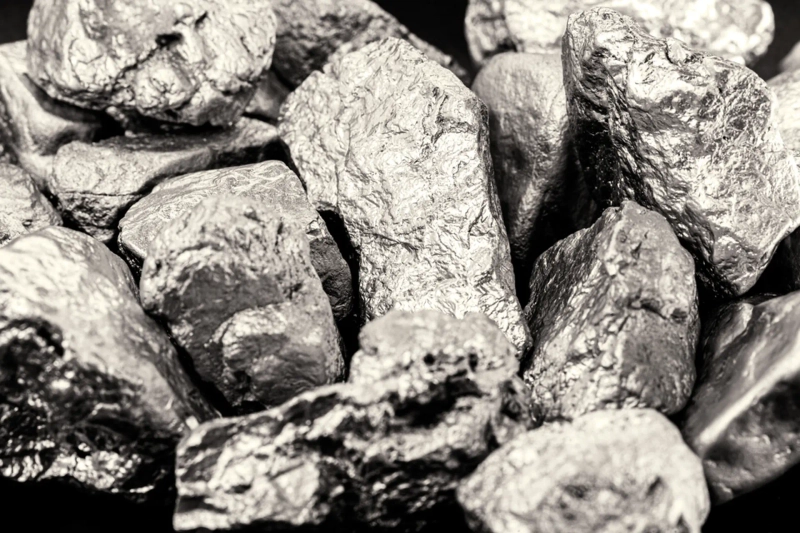
Global tin prices have been climbing sharply since the start of the year, surpassing the $50,000-per-tonne threshold for the first time on record. The move reflects a confluence of surging demand for artificial intelligence (AI) semiconductors and supply disruptions in key producing countries Indonesia and Myanmar.
According to the London Metal Exchange (LME) on the 22nd, the spot tin price as of the 21st stood at $52,150 per tonne. That marks a 9.8% jump from just two days earlier on the 19th ($47,475). Compared with the end of last year ($40,900), the price has surged about 27.5% in less than a month.
The rise is even more pronounced versus June last year, when prices fell to the low-$30,000 range. Tin has gained more than 60% over six months, extending its sharp rally.
The key driver behind the spike is demand for “AI semiconductors.” Tin is a critical input for solder used to connect semiconductor substrates. As AI data centers expand and production of high-performance chips increases, tin demand is surging to record levels.
Supply, however, remains tightly constrained. Indonesia, the world’s second-largest producer, has strengthened its crackdown on illegal mines, shutting down about 1,000 operations, while delays in renewing export permits (RKAB) have effectively choked off supply. At the same time, the prolonged suspension of mining operations in Myanmar, the world’s third-largest producer, has exacerbated the supply-demand imbalance.
Market experts expect tin’s uptrend to persist for the time being. Major institutions including the International Tin Association (ITA) say the supply issues in Myanmar and Indonesia are unlikely to be fully resolved in the first half. An industry source said, “Supply is limited, while demand from new industries such as semiconductors and electric vehicles is structurally resilient,” adding, “With shortages likely to persist throughout 2026, there is a strong chance prices could rise further this year to $55,000–$60,000 per tonne.”
By Sang Sang-hoon uphoon@hankyung.com

Korea Economic Daily
hankyung@bloomingbit.ioThe Korea Economic Daily Global is a digital media where latest news on Korean companies, industries, and financial markets.