Yen strengthens on potential U.S.-Japan intervention; Nikkei tumbles
Summary
- Speculation about potential FX-market intervention by U.S. and Japanese authorities lifted the yen and pushed down the yen-dollar exchange rate, the report said.
- Japan’s government and U.S. authorities were said to be cooperating to curb excessive yen depreciation and to respond appropriately if needed.
- The Nikkei 225 slid sharply on yen strength, with notable declines in Toyota Motor, Honda, and Mitsubishi UFJ Financial Group, the report said.
Forecast Trend Report by Period


Yen-dollar rate back in the ¥154 range for first time in about a month
Japan finance vice minister: "Will respond appropriately in cooperation with the U.S."
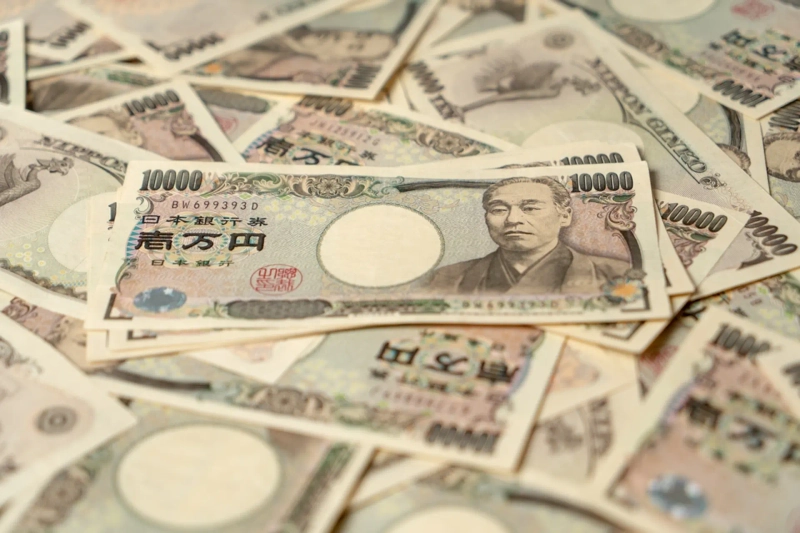
The yen’s gains extended on the 26th as speculation spread that U.S. and Japanese authorities could intervene in the foreign-exchange market to curb excessive yen weakness, the Nikkei and Kyodo News reported.
The yen-dollar rate briefly rose into the ¥159 range on the 23rd, but fell to around ¥154.4 as of about 6 a.m. that morning. It is the first time the yen-dollar rate has been in the ¥154 range since the 17th of last month.
Nikkei said that "as the view spreads that Japanese and U.S. authorities have moved to cooperate to restrain excessive yen depreciation, yen-buying has been broadening."
In this regard, the newspaper reported that U.S. authorities conducted a "rate check"—a step taken before full-scale market intervention in the foreign-exchange market. The term refers to authorities asking major banks and others about trading conditions ahead of intervention.
It was also reported that remarks by Japanese Prime Minister Sanae Takaichi on a TV program the previous day—"The Japanese government will make sure to do what it must against speculative moves"—also influenced the yen’s strength.
Atsushi Mimura, vice minister of finance for international affairs at Japan’s Ministry of Finance, emphasized that "going forward as well, as necessary, we will respond appropriately while working closely with U.S. authorities" regarding FX-market developments.
He did not, however, express a definitive view on the possibility that U.S. and Japanese authorities could cooperate to intervene directly in the FX market.
Meanwhile, Japan’s benchmark Nikkei 225 Stock Average plunged from the opening bell as concerns spread that a stronger yen would hurt exporters’ earnings. The Nikkei at one point in the morning fell about 1.9%, dropping below the 53,000 level.
In particular, Nikkei said declines in shares of Toyota Motor, Honda, and Mitsubishi UFJ Financial Group were notable.
Reporter Ko Jeong-sam, Hankyung.com jsk@hankyung.com

Korea Economic Daily
hankyung@bloomingbit.ioThe Korea Economic Daily Global is a digital media where latest news on Korean companies, industries, and financial markets.