"Trump’s real reason for hiking tariffs on South Korea was to pressure early investment"
Summary
- An analysis said U.S. President Donald Trump’s abrupt hike in tariffs on South Korea from 15% to 25% was intended to pressure South Korea into early investment.
- South Korea and the United States agreed that South Korea would make a $350 billion investment in the U.S. in exchange for the U.S. cutting South Korea’s tariffs from 25% to 15%, but Trump reversed that, the report said.
- It said the leading view is that amid won weakness and FX-market instability, the South Korean government’s hint that it could flexibly adjust the timing of executing about $20 billion in annual investment was behind the tariff hike aimed at spurring early investment.
Forecast Trend Report by Period


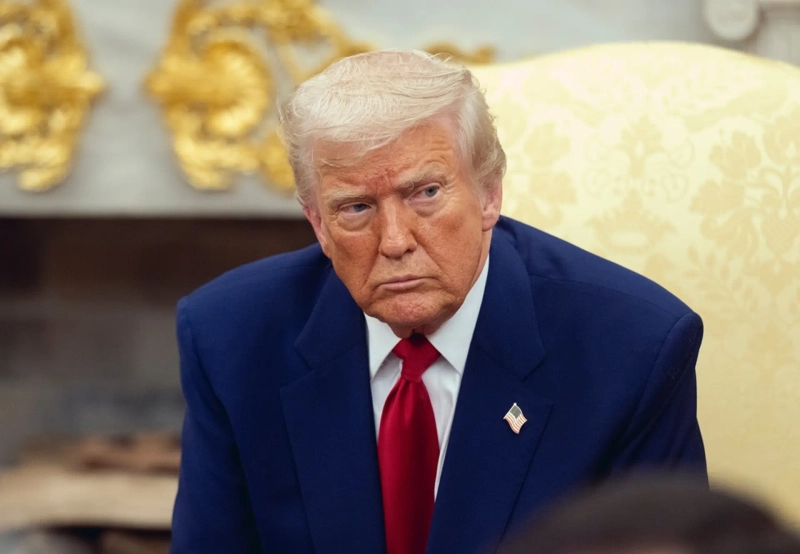
An analysis has suggested that U.S. President Donald Trump’s surprise decision to raise tariffs on South Korea from 15% to 25% was aimed at pressuring Seoul to bring forward investment.
According to Bloomberg on the 27th, in July last year South Korea and the United States agreed that Seoul would invest $350 billion in the U.S. (about 506 trillion won) in exchange for Washington cutting tariffs on South Korea from 25% to 15%. Trump finalized the agreement during his visit to South Korea in October last year.
However, after Trump abruptly raised the tariff rate from 15% to 25%, various theories have emerged about the reason. Trump first cited Congress’ failure to pass related legislation. But experts say that is merely a pretext, as it is a procedural issue.
A range of factors have been cited: △pressure to front-load the promised investment △discontent over amendments to the Information and Communications Network Act recently passed by South Korea’s National Assembly △discontent over sanctions against U.S. company Coupang △the fact that investment in the U.S. is smaller than that of rival countries, among others.
The most persuasive explanation, Bloomberg reported, is that the Trump administration may have been provoked by recent won weakness and instability in the FX market, after the South Korean government hinted it could flexibly adjust the timing of investment execution worth about $20 billion a year. Bloomberg said it is most likely that Trump raised tariffs to spur early investment.
Reporter Lee Song-ryeol, hankyung.com yisr0203@hankyung.com

Korea Economic Daily
hankyung@bloomingbit.ioThe Korea Economic Daily Global is a digital media where latest news on Korean companies, industries, and financial markets.