Financial authorities review whether Bithumb violated the obligation to segregate custody of virtual assets
Summary
- Financial authorities said they are reviewing the possibility of sanctions under the Act on the Protection of Virtual Asset Users in connection with Bithumb’s large-scale Bitcoin mispayment incident.
- They said key inspection items include whether the obligation to segregate custody of users’ virtual assets was fulfilled and Bithumb’s internal trading and ledger system structure.
- They said that if the segregation-of-custody obligation is found to have been violated under the user protection law, the exchange could face sanctions such as warnings, cautions, or a business suspension, and employees could be subject to administrative fines; potential unfair trading allegations against some users are also under review.
Forecast Trend Report by Period


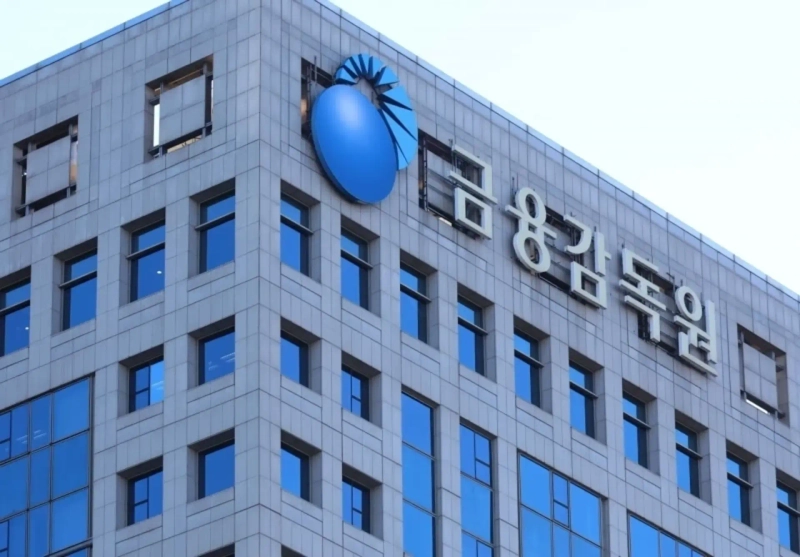
South Korea’s financial authorities are reviewing the possibility of sanctions under the Act on the Protection of Virtual Asset Users in connection with a large-scale Bitcoin mispayment incident at domestic virtual asset exchange Bithumb.
According to the financial sector on the 11th, regulators are conducting an inspection focused on whether Bithumb’s mispayment stemmed from the way users’ virtual assets are held and the structure of its trading system. With the second phase of legislation for the Basic Digital Asset Act not yet in place, authorities plan to apply the current Act on the Protection of Virtual Asset Users to determine whether laws were violated.
The Financial Supervisory Service said at a recent meeting that it is reviewing accountability for internal controls at Bithumb within the existing legal framework. While virtual asset service providers are not classified as financial companies and therefore are not subject to the Act on Corporate Governance of Financial Companies, the FSS explained that it is examining asset protection and potential unfair trading through the user protection law.
Authorities view the incident as a structural issue in the exchange’s trading and ledger systems. A large-scale mispayment occurred after Bitcoin was incorrectly entered during an event payout process, and a key issue is that non-existent assets were reflected in trading.
In particular, whether the obligation to segregate custody of users’ virtual assets was fulfilled is a major focus. Under the user protection law, virtual asset service providers must segregate users’ assets from company assets, and must substantively hold the same type and quantity of virtual assets as those entrusted to them.
Bithumb has operated a system in which virtual assets deposited by users are kept in the company’s wallet and, when trades occur, are not immediately reflected on the blockchain but are recorded on an internal ledger. Authorities are examining whether this structure increased the risk of mispayments.
If deemed to have violated the segregation-of-custody obligation under the user protection law, the exchange could face sanctions such as warnings, cautions, or a business suspension. Employees may also face personnel measures such as suspension of duties, dismissal, or suspension, along with administrative fines of up to 100 million won. However, sanctions against management are excluded as there are no internal control-related provisions applicable to them.
Separately, authorities are also reviewing whether unfair trading charges could apply to users who recognized the Bitcoin had been paid in error and sold it to make a profit. The user protection law defines virtual asset transactions carried out by improper means as unfair trading practices.

YM Lee
20min@bloomingbit.ioCrypto Chatterbox_ tlg@Bloomingbit_YMLEE