"U.S. fiscal trajectory is unsustainable"
Summary
- The Congressional Budget Office (CBO) said it projects that in 10 years the U.S. fiscal deficit will reach $3.1 trillion, or 6.7% of GDP.
- It said U.S. national debt is expected to surpass 100% of GDP this year and rise to 107.7% in 2030, exceeding the post–World War II peak (106%).
- The CBO warned that rising interest costs and the Trump administration’s tax cuts, increased defense spending, and immigration restrictions will worsen fiscal conditions, making the U.S. fiscal path unsustainable.
Forecast Trend Report by Period


CBO Outlook Report
Projects $3 trillion fiscal deficit in 10 years
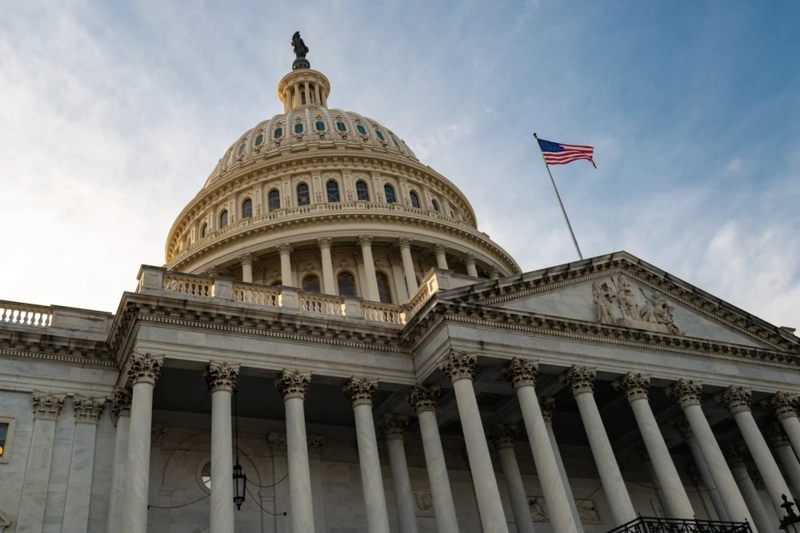
A Congressional Budget Office (CBO) analysis warns that the size of the U.S. fiscal deficit and debt will surge to record levels within a decade.
In its 2026 Budget and Economic Outlook released on the 11th (local time), the CBO projected that in 10 years the U.S. fiscal deficit will widen to $3.1 trillion, accounting for 6.7% of gross domestic product (GDP). That is about double the past 50-year average deficit ratio (3.8%) and far above Treasury Secretary Scott Bessent’s target (about 3%). The report suggests that a growing debt burden, along with aging demographics and rising healthcare spending outpacing revenue growth, will expand the deficit.
The CBO estimated the federal government’s fiscal 2026 deficit (October 2025 to September this year) at $1.853 trillion, revising it up by 8% from its projection a year earlier. At 5.8% of GDP, it is the same level as last year. In other words, for every $1 the U.S. government collects in taxes and tariffs, it spends $1.33.
Total national debt is also expected to increase, surpassing 100% of GDP this year. The U.S. public-sector debt ratio is projected to rise from 99% of GDP at the end of last year to 107.7% in 2030, exceeding the all-time high of 106% recorded in 1946, immediately after World War II.
The CBO said rising interest costs will widen the deficit. While the primary deficit excluding interest costs is narrowing, interest burdens from past borrowing are increasing. By 2036, interest payments alone are projected to consume 26% of federal revenue. CBO Director Phillip Swagel warned, "Our budget outlook indicates that the U.S. fiscal path is not sustainable."
The CBO also assessed that while the Donald Trump administration’s tariff hikes help reduce the deficit, key policies—including tax cuts and higher defense spending that expand the deficit, and immigration restrictions that reduce tax revenue—are driving fiscal deterioration.
Reporter Han Kyung-jae hankyung@hankyung.com

Korea Economic Daily
hankyung@bloomingbit.ioThe Korea Economic Daily Global is a digital media where latest news on Korean companies, industries, and financial markets.