FSS extends inspection into Bithumb’s ‘Bitcoin mispayment’ incident through end of month
Summary
- The FSS said it has extended its inspection into Bithumb’s erroneous Bitcoin payout incident through the end of this month.
- The FSS said it has expanded the inspection team and is focusing on compliance with user protection obligations and anti-money-laundering obligations, as well as the held-asset verification framework.
- Financial authorities and DAXA’s emergency response team said they will review five exchanges’ held-asset verification frameworks and internal controls, and reflect the results in self-regulation and discussions on second-phase virtual-asset legislation.
Forecast Trend Report by Period


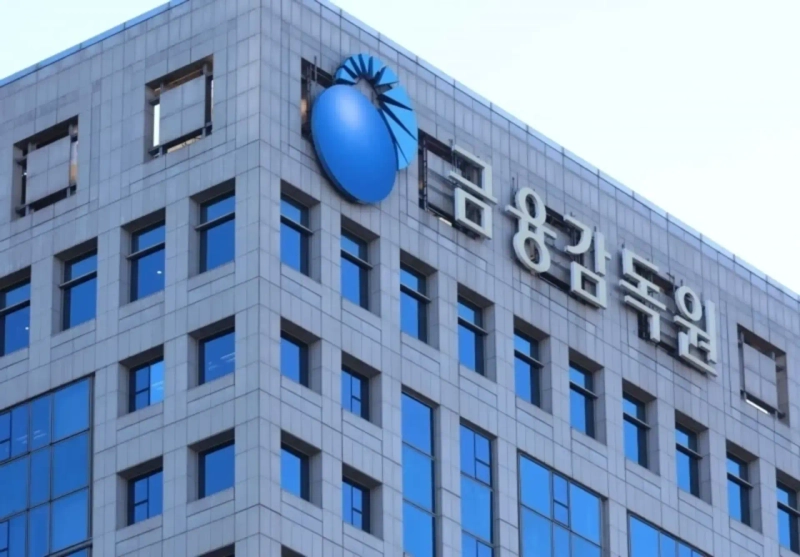
South Korea’s Financial Supervisory Service (FSS) is extending its inspection related to Bithumb’s erroneous Bitcoin payout incident through the end of this month.
According to financial authorities on the 19th, the FSS has extended the on-site inspection period for Bithumb—originally set to end on the 13th—until the end of the month. FSS Governor Lee Chan-jin had told the National Assembly during a pending-issues hearing that he would receive a report on the inspection results by last week, but officials said the watchdog concluded additional checks were necessary.
The FSS has expanded its inspection team to eight and is closely examining whether the exchange has complied with its obligations to protect users and meet anti-money-laundering (AML) requirements. In particular, it has made the structure of the IT system that allowed coins not actually held to be paid out, as well as the framework for verifying held assets, key focus areas.
The Financial Services Commission (FSC) and the FSS conducted a total of six rounds of reviews and inspections from 2021 to 2025, but were found to have failed to detect in advance an IT system that could allow erroneous entries. This has also prompted questions over supervisory responsibility.
A financial authorities official said, “We plan to closely review past mispayment cases as well through the inspection.”
Meanwhile, an emergency response team organized around the Digital Asset Exchange Alliance (DAXA), a joint consultative body of financial authorities and digital-asset exchanges, has been inspecting since the 11th the held-asset verification frameworks and overall internal controls at five exchanges—Upbit, Bithumb, Coinone, Korbit and GOPAX. The findings are set to be reflected in DAXA’s self-regulatory regime and discussions on second-phase virtual-asset legislation.

YM Lee
20min@bloomingbit.ioCrypto Chatterbox_ tlg@Bloomingbit_YMLEE