"Supreme Prosecutors’ Office Distributes Manual for Managing Seized Virtual Assets"
Summary
- The Supreme Prosecutors’ Office said it prepared a manual for managing seized virtual assets and distributed it to prosecutors’ offices nationwide.
- It said the manual specifies using only official blockchain explorer sites and instructs separate storage of electronic wallets and cryptographic keys.
- It said it plans to continue additional discussions on the custody framework for seized assets, including entrusting them to virtual-asset exchanges or custody firms.
Forecast Trend Report by Period


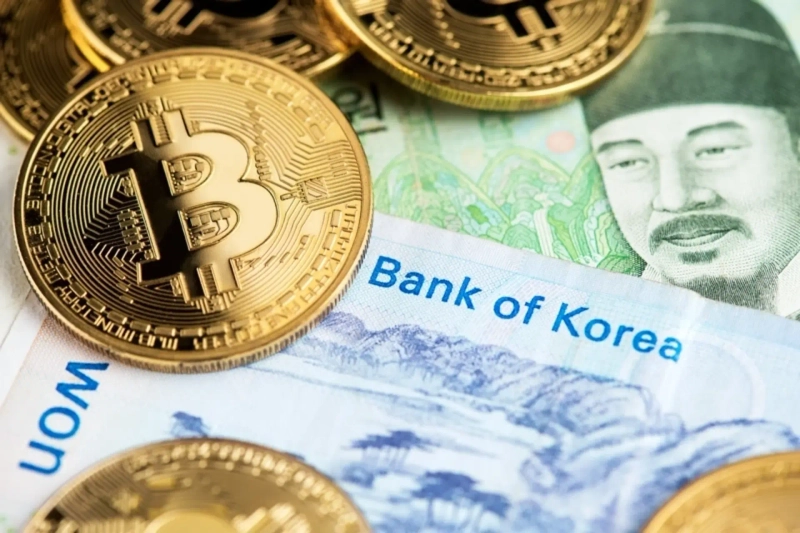
South Korea’s Supreme Prosecutors’ Office (SPO) has reportedly drawn up a manual for managing seized virtual assets (cryptocurrencies) and distributed it to prosecutors’ offices nationwide.
According to the industry on the 23rd, the SPO recently sent a work notice to prosecutors’ offices across the country to share measures for managing seized virtual assets. A key point of the manual is to verify balances only through official sites and to store electronic wallets separately from cryptographic keys.
The manual says holdings in virtual-asset wallets must be checked via official blockchain explorer sites. It specifies separate sites by asset, such as Blockchain.com for Bitcoin and Etherscan for Ethereum.
It also instructs staff to use only public keys when checking wallet details. It underscores a precaution not to enter passwords required to access wallets, such as mnemonic codes or security keys. Virtual-asset holdings can be confirmed using public keys alone.
The measure was prepared in the wake of an incident that occurred at the Gwangju District Prosecutors’ Office in August last year. At the time, an official, while inspecting seized virtual assets, accessed a phishing site and entered passwords including a mnemonic code along with the electronic wallet address, resulting in the theft of about 320 bitcoins (approximately 30.6 billion won). The entire amount was recovered on the 20th.
The SPO is said to have issued guidelines to manage seized items such as USB drives containing wallets separately from PINs and mnemonic codes that constitute access credentials. Under the approach, the official in charge of seized items at each prosecutors’ office keeps the USB in a safe, while a separate custodian stores the cryptographic keys.
It was also reported that the SPO plans to continue further discussions on the custody framework for seized virtual assets. While wallets in USB form are currently stored in safes, options under review are said to include placing them in custody with virtual-asset exchanges or custody firms going forward.

Minseung Kang
minriver@bloomingbit.ioBlockchain journalist | Writer of Trade Now & Altcoin Now, must-read content for investors.