Hong Kong stocks rise after ruling that US reciprocal tariffs are illegal
Summary
- Following the US Supreme Court ruling that reciprocal tariffs are illegal, the Hang Seng China Enterprises Index and large-cap tech names such as Alibaba, Tencent and Meituan were reported to have moved higher.
- With expectations of tariff cuts, hopes are rising that Chinese exporters will see relief from tariff burdens and improved performance.
- While uncertainty remains due to Trump’s global tariff and plans to replace existing reciprocal tariffs, a relief rally was reported in Hong Kong stocks.
Forecast Trend Report by Period


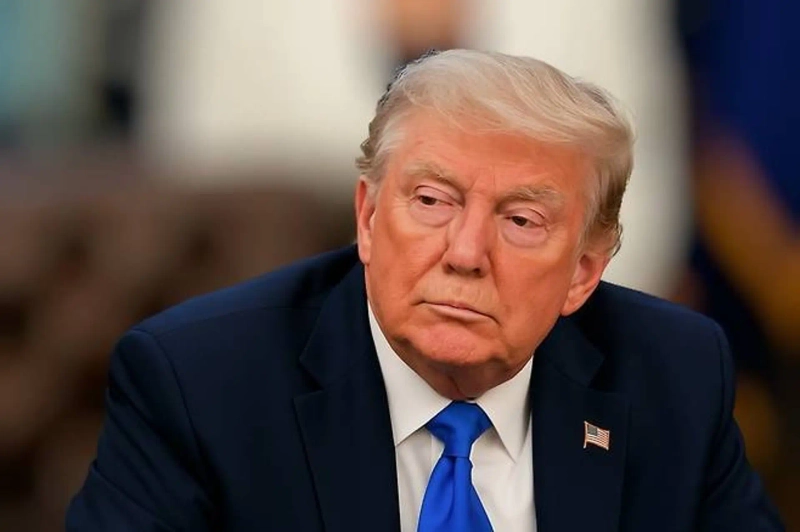
After the US Supreme Court ruled that President Donald Trump’s reciprocal tariffs were unlawful, shares of Chinese companies listed in Hong Kong rose across the board. Analysts say expectations that the tariff burden on exports to the US could ease helped boost investor sentiment.
On the 23rd (local time), the Hang Seng China Enterprises Index (HSCEI) rose 2.7% from the previous session. Large-cap tech stocks led the gains. Alibaba climbed 3.47%, Tencent 3.07% and Meituan 5.26%.
Bloomberg said that “risk appetite among investors recovered as expectations spread that tariff rates on exports to the US from some countries, including China, could fall.”
Earlier, the US Supreme Court found that the tariff measures Trump imposed on countries citing the International Emergency Economic Powers Act (IEEPA) exceeded the law’s legal basis. The ruling put the brakes on the high reciprocal-tariff regime, fueling expectations of tariff cuts.
Morgan Stanley estimated that the ruling could lower the US average tariff rate on Chinese products to around 24% from 32%. The easing of the tariff burden is helping lift expectations for improved results among Chinese exporters.
Some analysts caution, however, that uncertainty has not been fully removed. Trump signed an executive order imposing a 10% “global tariff” on all imports worldwide under Section 122 of the Trade Act, and then said he plans to raise it to 15%. He has also said he will use tools such as Section 232 of the Trade Expansion Act and Section 301 of the Trade Act to replace the existing reciprocal tariffs.
Charu Chanana, chief investment strategist at Saxo Markets, said, “While the possibility of new tariffs still remains, the ruling has removed a significant portion of the extreme risk tied to the worst-case scenario,” adding, “With large-scale, open-ended tariffs imposed under emergency powers now constrained, a classic relief rally has emerged in Hong Kong stocks.”
Meanwhile, mainland China’s stock markets, which were closed for the Lunar New Year holiday, are set to resume trading on the 24th. The market is watching whether mainland shares will extend Hong Kong’s rebound.
Lee Hye-in hey@hankyung.com

Korea Economic Daily
hankyung@bloomingbit.ioThe Korea Economic Daily Global is a digital media where latest news on Korean companies, industries, and financial markets.