Only 27% of Americans "support airstrikes on Iran"…Could it affect the US midterm elections?
Summary
- Only 27% of US adult respondents said they support airstrikes on Iran, while 43% said they oppose them.
- President Donald Trump’s job approval rating was 39%, down 1 percentage point from the prior poll.
- Voters’ top concern was the economy, ranking above foreign and military issues.
Forecast Trend Report by Period


Reuters-Ipsos joint poll
27% of US respondents support airstrikes on Iran
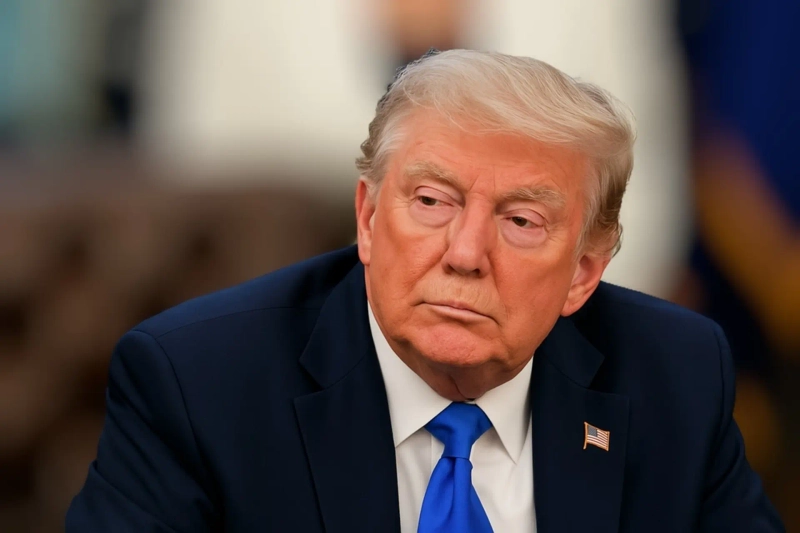
Only one in four Americans is said to support the recent US military strikes against Iran.
According to a Reuters-Ipsos joint poll released on the 1st (local time), just 27% of US adult respondents said they support the airstrikes on Iran. By contrast, 43% opposed them and 29% withheld an opinion.
The survey was conducted online from Feb. 28 to Mar. 1, immediately after the United States and Israel launched airstrikes on Iran. About 90% of respondents said they were "at least somewhat aware" of the strikes, indicating high awareness of the issue.
The poll in particular highlighted skepticism over President Donald Trump’s use of military force. Overall, 56% of respondents said Trump "uses military force too easily" in the name of US interests.
By party, 87% of Democrats agreed with that critical view. Among Republicans, 23% also expressed a negative view of Trump’s use of force, while 60% of independents shared the same opinion.
Within the Republican base, views on the strikes were relatively divided. While 55% of Republican respondents supported the strikes, 13% said they opposed them. In addition, 42% of Republican respondents said they might withdraw support for the operation if it leads to US military casualties.
Trump’s job approval rating was measured at 39%, down 1% point from the previous Reuters-Ipsos poll conducted Feb. 18-23.
The strikes began just three days before the first primary contest of the US midterm elections. The midterms refer to federal congressional elections held exactly midway through a president’s four-year term. In the United States, they are held in years without a presidential election, with all 435 House seats and about one-third of the 100 Senate seats up for grabs. State-level elections, including gubernatorial and state legislature races, are also held at the same time. Primaries are the process by which each party selects its candidates for the general election.
For Trump, the midterms currently carry meaning beyond a routine congressional election—serving as a political test that will determine the momentum of his agenda over the remaining two years of his term.
Previous Reuters-Ipsos polls show that voters’ top concern is the economy, ranking above foreign and military issues. How much foreign and military developments will affect the electoral landscape remains uncertain.
The survey polled 1,282 US adults and has a margin of error of ±3% points.
New York=Correspondent Park Shin-young nyusos@hankyung.com

Korea Economic Daily
hankyung@bloomingbit.ioThe Korea Economic Daily Global is a digital media where latest news on Korean companies, industries, and financial markets.