Bitcoin flat around $66,000… Asian stocks plunge; oil spikes 7%
Summary
- Bitcoin was reported to be showing relatively limited volatility around the $66,000 level despite the military clash between the United States and Iran.
- The market was analyzed as viewing global oil prices as a key channel through which geopolitical shocks spill over into crypto assets and broader risk assets.
- Experts said the outlook depends on oil prices, inflation expectations, and how the U.S.-Iran conflict develops, and that heightened volatility linked to macro factors could continue.
Forecast Trend Report by Period


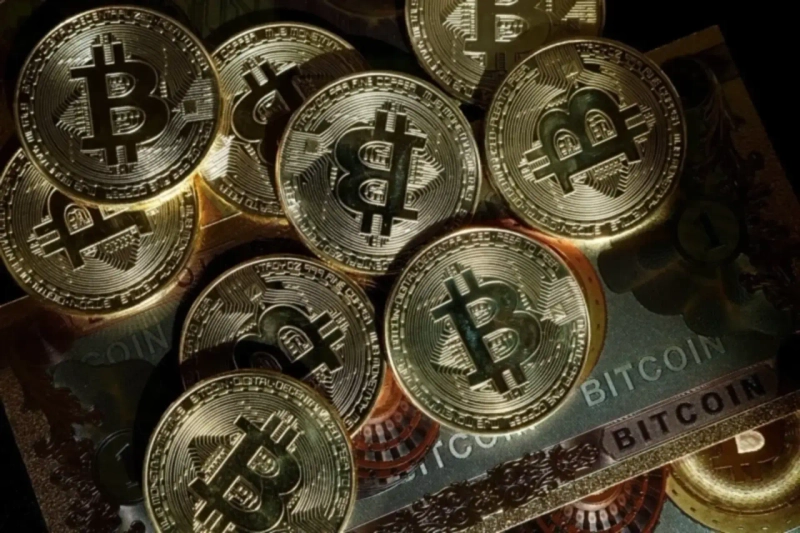
As the military clash between the United States and Iran intensified, Asian stock markets tumbled and global oil prices surged, while Bitcoin has shown relatively limited volatility around the $66,000 level.
According to CoinMarketCap, a crypto market-tracking site, Bitcoin was trading at $66,100, down about 1% over the past 24 hours as of the 2nd. Ethereum (ETH) fell 2.8% to $1,940.
Over the weekend, Bitcoin oscillated within a $63,000–$66,000 range. With tensions between the United States and Iran rising, volatility increased after reports said Iran’s Supreme Leader Ayatollah Ali Khamenei had been killed in a joint U.S.-Israeli airstrike.
Analysts, however, said the pullback in crypto assets was relatively limited compared with traditional financial markets. Dominic John of Kronos Research said, “We saw risk-asset selling over the weekend, but prices rebounded quickly,” adding that “around-the-clock liquidity helped absorb the shock.”
Traditional markets reacted more sharply right after the open. Japan’s Nikkei 225 fell more than 2.5% intraday, while the Topix slid nearly 3%. Hong Kong’s Hang Seng Index and Singapore’s Straits Times Index each dropped around 2%.
Oil prices surged. Brent crude traded around $78 a barrel, up more than 7% in a single day. Gold also rose 1.9% to $5,381 an ounce.
In markets, oil is seen as a key channel through which geopolitical shocks spill over into crypto and risk assets more broadly. Rick Maeda of Presto Research said, “If oil settles above $90, inflation expectations could rise and real yields could increase, tightening liquidity,” adding that “in that case, crypto could trade like a high-beta asset sensitive to macro variables.”
Concerns over supply disruptions also grew after reports of ships being attacked near the Strait of Hormuz. The possibility of a blockade of the strait—through which about 20% of global crude flows pass—could drive up insurance premiums and force route changes, stoking inflationary pressures, according to observers.
Even so, on-chain and derivatives indicators showed limited signs of structural stress. There were no signs of large stablecoin outflows or cascading liquidations. In perpetual futures markets such as Hyperliquid, oil- and metals-linked contracts reportedly moved sharply, serving a real-time price discovery function.
Meanwhile, experts said the next move will hinge on oil prices, inflation expectations and how the U.S.-Iran conflict unfolds. Elevated volatility tied to macro factors could persist for the time being.

Minseung Kang
minriver@bloomingbit.ioBlockchain journalist | Writer of Trade Now & Altcoin Now, must-read content for investors.