National Assembly Research Service: "Limits on stakes in crypto exchanges infringe property rights…may be unconstitutional"
Summary
- The National Assembly Research Service said the government’s plan to cap major shareholders’ ownership ratios in virtual asset exchanges may be unconstitutional as it could infringe property rights and the freedom of occupation and business activity.
- The service said regulations that require exchange major shareholders to retroactively and forcibly dispose of stakes they lawfully acquired could be deemed unconstitutional absent a grave public-interest rationale.
- The government is pushing to include in the Digital Asset Basic Act a provision to cap major shareholders’ ownership in virtual asset exchanges at a maximum of 20%, with the final bill expected to be finalized on the 5th after ruling party–government consultations.
Forecast Trend Report by Period


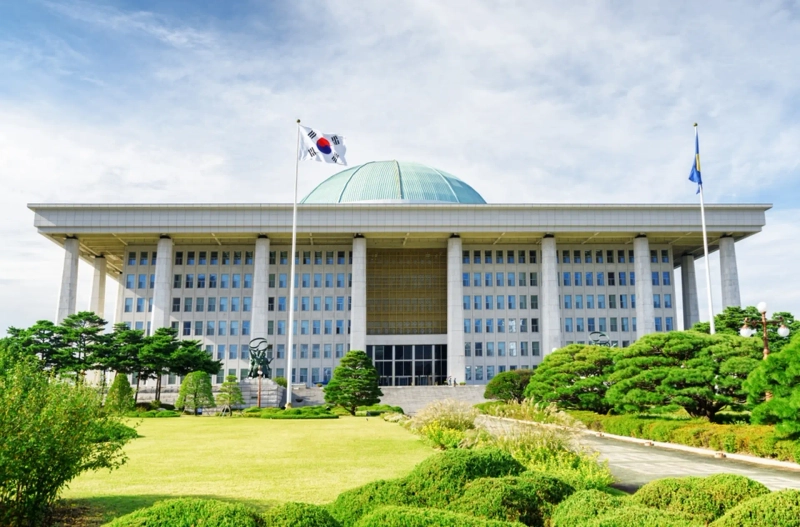
The National Assembly Research Service said the government’s plan to cap major shareholders’ stakes in virtual asset exchanges may be unconstitutional.
In a response dated the 4th to an inquiry from Rep. Kim Sang-hoon of the People Power Party, the service said limiting major shareholders’ ownership ratios in virtual asset exchanges could raise constitutional issues in connection with property rights and the freedom of occupation and business activity. Shares constitute property rights protected under the Constitution, and the freedom to hold and dispose of them must also be guaranteed, the service said, meaning such caps could amount to an infringement of property rights.
It added that restricting exchange ownership ratios in a way that makes it difficult to maintain management control or forces changes to corporate governance could constrain the freedom of business activity. The service noted that a regulation requiring an exchange’s major shareholder to retroactively and forcibly dispose of lawfully acquired stakes could be deemed unconstitutional unless there are exceptional circumstances such as a grave public-interest rationale.
The government says the Digital Asset Basic Act should include a provision capping major shareholders’ ownership in virtual asset exchanges at a maximum of 20%. The Financial Services Commission on the day convened its first Virtual Asset Committee meeting of the year and discussed the government’s draft of the Digital Asset Basic Act. The final version is expected to be finalized on the 5th after consultations between the ruling party and the government.
Rep. Kim said, "If provisions with potential constitutional flaws are legislated without sufficient review, it could undermine trust."

JOON HYOUNG LEE
gilson@bloomingbit.ioCrypto Journalist based in Seoul