G7 discusses coordinated release of strategic oil reserves… weighing joint action to counter rising crude prices
Summary
- G7 finance ministers reportedly are discussing a coordinated release of strategic petroleum reserves to respond to a surge in international oil prices driven by the war in the Middle East.
- An idea was floated that a joint release of 300 million to 400 million barrels could be appropriate out of about 1.2 billion barrels of strategic reserves held by IEA member countries.
- Major crude importers such as China, India, South Korea and Japan were reported to be exposed to a growing inflation burden stemming from soaring prices.
Forecast Trend Report by Period


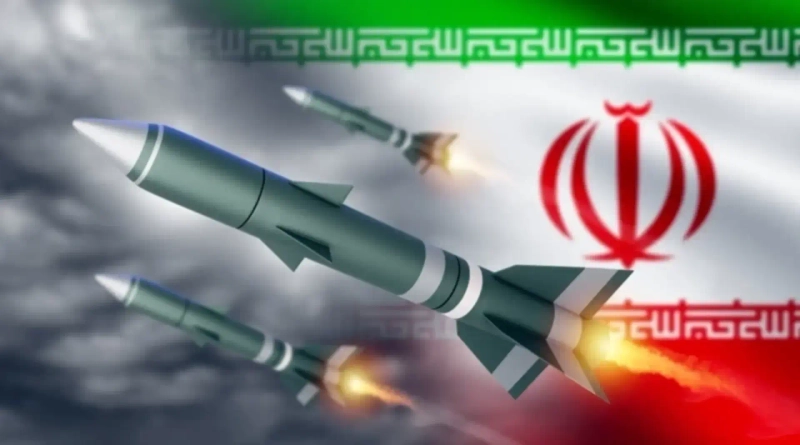
As international oil prices surged in the wake of the war in the Middle East, the Group of Seven (G7) has begun considering a coordinated release of strategic petroleum reserves. The move comes amid growing concern that a sharp rise in crude prices could fuel global inflation and unsettle financial markets.
According to the Financial Times (FT) on the 9th, G7 finance ministers are set to hold an emergency meeting with the International Energy Agency (IEA) later in the day to discuss the possibility of a joint release of strategic reserves. The core idea is a coordinated supply of stocks held by IEA member countries to the market. At least three G7 countries, including the United States, have reportedly signaled support for considering a release.
IEA member countries operate a collective stockpiling system to respond to energy crises such as spikes in oil prices. Total strategic reserves amount to about 1.2 billion barrels, and some U.S. officials are said to have suggested that a coordinated release of roughly 300 million to 400 million barrels could be appropriate.
The discussion began after international crude prices jumped sharply following the outbreak of war in the Middle East. Higher oil prices are also weighing on the global economy. Major crude importers such as China, India, South Korea and Japan are exposed to an increased inflation burden stemming from the price surge.
Meanwhile, U.S. President Donald Trump was reported to have said regarding a short-term rise in oil prices caused by the war that "once the Iranian nuclear threat is removed, oil prices will fall quickly," adding that the short-term costs are the price to pay for global security.

Minseung Kang
minriver@bloomingbit.ioBlockchain journalist | Writer of Trade Now & Altcoin Now, must-read content for investors.