Quantum computers threaten not only Bitcoin but also encrypted messaging protocols
Summary
- An analysis said that advances in quantum computing could threaten not only Bitcoin but also encrypted messaging protocols.
- Signal and Threema are pursuing stronger encryption for the quantum-computing era using the ML-KEM algorithm standardized by NIST, as well as PQXDH and the SPQR protocol, in cooperation with IBM.
- Experts said encrypted messengers could face greater near-term risk than Bitcoin, but quantum computers capable of actually attacking the Bitcoin network are still a long way off.
Forecast Trend Report by Period


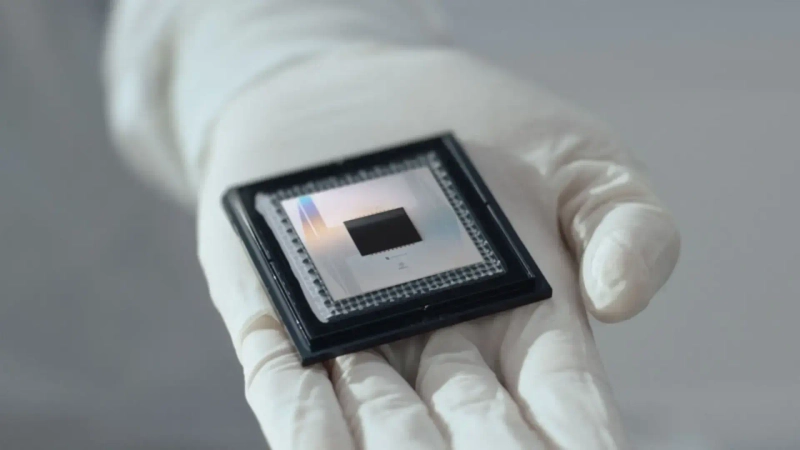
An analysis suggests that advances in quantum computing could pose a threat not only to the cryptocurrency Bitcoin but also to encrypted messaging protocols.
According to a report by Decrypt on the 10th (local time), IBM researchers said they are “working with developers of the messenger services Signal and Threema to study new messaging protocols designed for the quantum-computing era.”
In their report, the researchers explained that “today’s encryption methods are effectively impossible to break with conventional supercomputers, but the situation could change as quantum-computing breakthroughs progress.”
Some experts in particular pointed out that in the near term, encrypted messengers could be exposed to greater risk than Bitcoin. Cryptography researcher Ethan Heilman said, “Near-term quantum-computing threats may be greater for messaging services like Signal than for Bitcoin.”
He added that this is because “someone can store communications data now and decrypt it later using a quantum computer,” citing the possibility of so-called “harvest now, decrypt later” attacks.
Major messaging companies are also moving to respond. Signal introduced the PQXDH protocol in 2023 to prepare for quantum-computer attacks, and in 2025 it strengthened quantum resistance across messages, calls, and media transfers through an SPQR protocol upgrade.
Threema is also working with IBM to review plans to apply the ML-KEM algorithm standardized by the US National Institute of Standards and Technology (NIST) to its messenger encryption system.
As major research institutions including IBM, Google, and the California Institute of Technology rapidly improve quantum-computer stability and error-correction technologies, related discussions on security countermeasures are also expanding.
Still, experts say quantum computers capable of mounting a real attack on the Bitcoin network remain technologically far off. Heilman said, “Once the threat becomes real, the speed of response will be much faster as well.”

YM Lee
20min@bloomingbit.ioCrypto Chatterbox_ tlg@Bloomingbit_YMLEE