Summary
- U.S. President Donald Trump said Iran wants negotiations from a position of total defeat but that he will not agree to a deal under the current terms.
- He said the U.S. military devastated targets on Kharg Island and warned he would reconsider the decision not to hit oil infrastructure if Iran disrupts transit through the Strait of Hormuz.
- He said any attack could paralyze the Middle East’s oil and energy infrastructure and crude supply chains, making a severe hit to the global macroeconomy inevitable.
Forecast Trend Report by Period


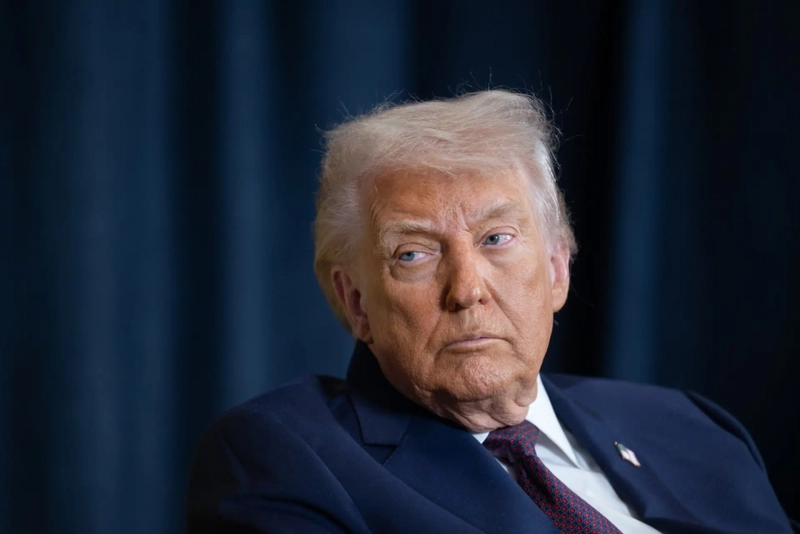
U.S. President Donald Trump said Iran wants negotiations from a position of total defeat but that he will not agree to a deal under the current terms.
On the 13th (Korea time), Trump said on Truth Social that “the fake news media are reluctant to report how well the U.S. military performed against Iran.”
He added that “Iran is totally defeated and wants a new deal with us,” reiterating that Tehran is seeking an agreement with Washington. However, on the prospect of future negotiations, he firmly drew a line, saying, “It’s not a deal I can accept.”
Earlier, Trump announced via U.S. Central Command (CENTCOM) that U.S. forces had completely destroyed military targets on Kharg Island, a key hub of Iran’s economic and logistics network. Kharg Island is a strategic financial lifeline that handles about 90% of Iran’s total crude oil exports.
At the time, Trump warned that while “for moral reasons” he decided not to destroy the island’s oil infrastructure, he would “immediately reconsider” that decision if Iran obstructs passage through the Strait of Hormuz. It was an ultimatum not to hold the Strait of Hormuz—through which about 20% of global oil shipments pass—hostage.
In response to Washington’s intense military pressure, Iran quickly pushed back, brandishing the option of striking U.S. allies. Iran’s military warned that if its oil and energy infrastructure is attacked, it will strike the energy infrastructure of oil companies in the Middle East that cooperate with the United States.
Oil facilities in Gulf-producing countries are generally operated by state-owned companies, but they have long maintained deep strategic cooperation with U.S. companies and the U.S. government. If Iran’s retaliatory attacks materialize, oil supply chains across the Middle East could be paralyzed, dealing an inevitable severe blow to the global macroeconomy.

Doohyun Hwang
cow5361@bloomingbit.ioKEEP CALM AND HODL🍀