Japan Likely to Hold Policy Rate This Month: “Middle East Response Comes First”
Summary
- The Bank of Japan is likely to hold the policy rate at 0.75% per year at this month’s Monetary Policy Meeting.
- It said it will first assess a surge in crude oil and LNG prices stemming from the war between the United States and Iran and heightened market uncertainty.
- With the yen–dollar rate rising to the ¥159 per dollar range, it said it will review yen weakness and rising import prices, with a rate hike after April seen as the most likely.
Forecast Trend Report by Period


Expected to stay at 0.75% per year, following January
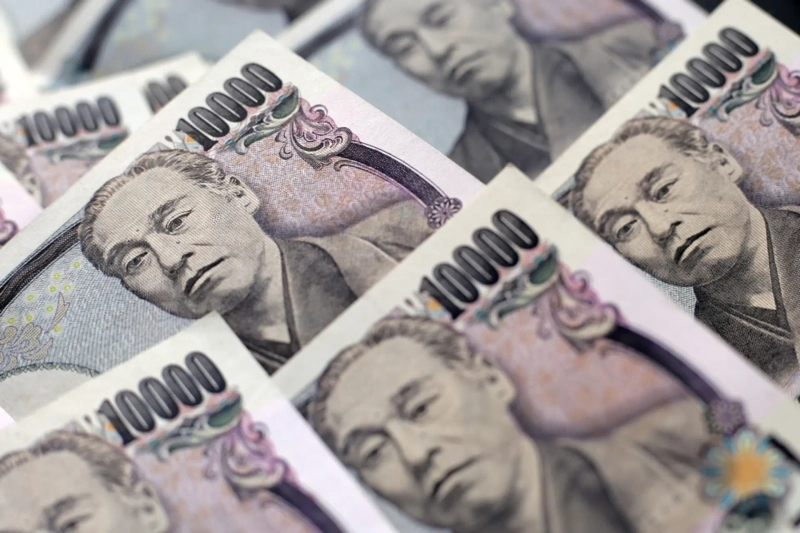
A view has emerged that the Bank of Japan will keep its policy rate unchanged this month. With the situation in the Middle East deteriorating, it is expected to first assess how a surge in energy prices—such as crude oil—would affect the economy and inflation.
According to the Nikkei and the Yomiuri Shimbun on the 15th, the BOJ is likely to maintain the policy rate at 0.75% per year at its Monetary Policy Meeting on the 18th–19th. If it holds, that would be the second consecutive meeting following January. Nikkei reported that “ahead of the March meeting, voices within the BOJ calling to rush a rate hike have not spread.” Within the Ministry of Finance as well, there is a view that “the risk of a slowdown has made it harder for the BOJ to move.”
At this meeting, the BOJ is set to discuss the impact of surging crude oil and liquefied natural gas (LNG) prices stemming from the war between the United States and Iran. Kazuo Ueda, the BOJ governor, said in a parliamentary response on the 4th that rising crude prices “could act as downward pressure on the economy.” He noted it “could also raise underlying inflation by pushing up expected inflation among households and companies.”
The BOJ’s policy is to raise rates if it judges underlying inflation will continue to rise, but with the conflict in the Middle East in flux, it is difficult to predict the impact. Within the BOJ, some voices say “when market uncertainty is high, it is better not to change policy.”
Yen weakness is another variable. Since the U.S. attack on Iran, the foreign-exchange market has seen “buy dollars in times of crisis,” keeping the yen weak. The yen–dollar rate recently rose to the ¥159 per dollar range (meaning the yen’s value fell). The BOJ also plans to assess the impact of higher import prices driven by the weaker yen.
The next rate hike is expected to come after April. As of the 13th, the market-implied probabilities for a rate increase were 9% for March, and 57% and 29% for April and June, respectively, with April seen as the most likely.
Tokyo=Correspondent Il-gyu Kim black0419@hankyung.com

Korea Economic Daily
hankyung@bloomingbit.ioThe Korea Economic Daily Global is a digital media where latest news on Korean companies, industries, and financial markets.