Japan begins releasing strategic oil reserves… ‘Record-high 80 million barrels’
Summary
- The Japanese government said it has begun releasing strategic oil reserves totaling 80 million barrels as tensions involving Iran worsen and the Strait of Hormuz is closed.
- With the Strait of Hormuz closed, crude oil prices are surging, and Brent crude futures for May delivery were reported at $104.70 a barrel.
- The Tokyo Shimbun said that if Middle East tensions persist, expanded fiscal spending, a weaker yen, and higher crude procurement costs could drive gasoline prices even higher.
Forecast Trend Report by Period


Release of 15 days’ worth of private-sector reserves
Followed by one month of state reserves
About 20% of Japan’s stockpiles
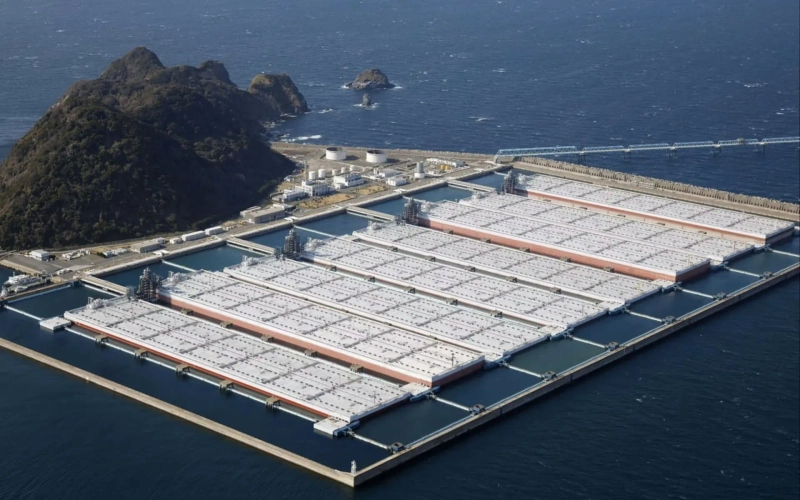
The Japanese government began releasing oil reserves on the 16th as tensions involving Iran worsened. It marks the first such release in about four years, since 2022 when Russia invaded Ukraine. Observers note that if the closure of the Strait of Hormuz drags on, the release of reserves can only be a stopgap.
According to the Mainichi Shimbun, Japan will release 15 days’ worth of private-sector reserves starting that day, followed by one month of state reserves. The total release is expected to reach 80 million barrels, the largest on record. That would amount to about 20% of Japan’s 470 million barrels of oil stockpiles.
Japan’s Petroleum Stockpiling Act mandates oil stockpiles for both the government and the private sector. As of the end of 2025, Japan had stockpiled a total of 254 days’ worth—101 days in private-sector reserves, 146 days in state reserves and seven days in joint stockpiles with oil-producing countries. The government lowered the private-sector stockpiling requirement that day to 55 days from 70 days.
Japan relies on the Middle East, including Saudi Arabia, for 94% of its crude oil imports. With fighting between the US and Israel on one side and Iran on the other, the Strait of Hormuz has been effectively closed, heightening concerns about energy supplies. Tankers that have already passed through the strait are expected to arrive in Japan around the 20th, but crude supplies thereafter are forecast to fall sharply.
Oil prices are surging worldwide due to the closure of the Strait of Hormuz. As of 8:45 a.m. that morning, Brent crude futures for May delivery stood at $104.70 a barrel. Earlier, members of the International Energy Agency (IEA) agreed to a joint release of 400 million barrels of strategic reserves, the largest ever. The planned volume is more than double the total of 182 million barrels released in 2022.
Along with the reserve release, the government said it would cap the nationwide average retail gasoline price at around 170 yen per liter. The Ministry of Economy, Trade and Industry will begin providing subsidies from shipments on the 19th for the portion exceeding 170 yen. The same measure will be applied to diesel, heavy fuel oil and kerosene.
However, the Asahi Shimbun noted that if the closure of the Strait of Hormuz is prolonged, the reserve release will be no more than a stopgap. There are also arguments that gasoline subsidies are not a fundamental solution. The Tokyo Shimbun projected that if Middle East tensions persist and higher subsidies expand fiscal spending, the yen could weaken and crude procurement costs could rise, pushing gasoline prices up further.
Tokyo=Kim Il-gyu, correspondent black0419@hankyung.com

Korea Economic Daily
hankyung@bloomingbit.ioThe Korea Economic Daily Global is a digital media where latest news on Korean companies, industries, and financial markets.