PiCK
U.S. SEC: "Most crypto assets are not securities"…signals shift in regulatory standards
Summary
- The U.S. SEC said it would clarify the regulatory scope for non-security crypto assets after offering an interpretation that it will not view most crypto assets as securities.
- The SEC presented a token classification framework—such as digital commodities, digital collectibles, digital tools, stablecoins and digital securities—and said it clarified standards for applying securities laws to airdrops, protocol mining, staking and wrapped assets.
- The SEC said it would limit the scope of securities-law coverage to tokenized traditional securities, while typical crypto assets are classified as commodities, increasing the likelihood that CFTC jurisdiction will expand.
Forecast Trend Report by Period


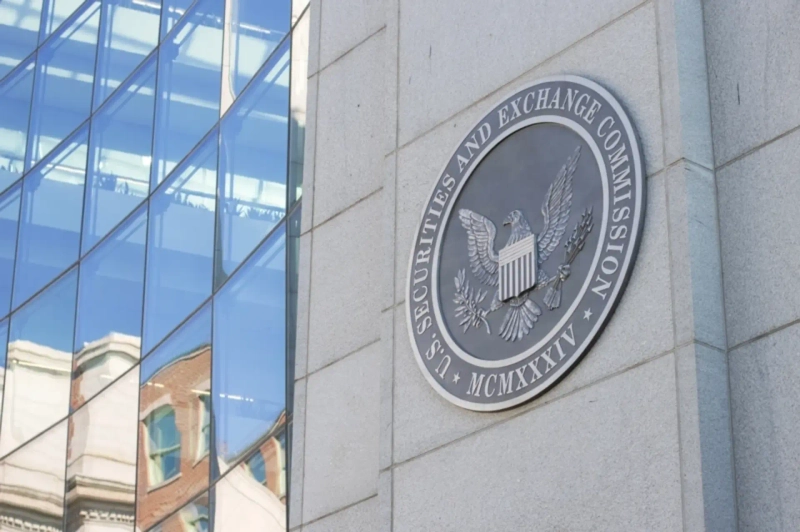
The U.S. Securities and Exchange Commission (SEC) signaled a shift in regulatory direction by offering an interpretation that it will not view most virtual assets (cryptocurrencies) as securities.
According to Cointelegraph on the 17th (local time), the SEC published an interpretive notice explaining how federal securities laws are applied to virtual assets and said it would clarify the regulatory scope for non-security crypto assets.
The SEC said the interpretation would serve as an "important link" in the regulatory framework in conjunction with the digital-asset market structure bill currently being discussed in Congress. In particular, it presented a token classification framework that distinguishes among digital commodities, digital collectibles, digital tools, stablecoins and digital securities.
It also clarified standards for whether various activities—such as airdrops, protocol mining, staking and wrapped assets—fall under securities laws.
SEC Chairman Paul Atkins said, "Regulators must provide clear standards," adding that this "acknowledges that most crypto assets are not inherently securities." He added that it also reflected the reality that "investment contracts can end."
The SEC said that, under this interpretation, the scope of securities-law coverage is effectively limited to "tokenized traditional securities." As a result, typical crypto assets are more likely to be classified as commodities, raising the likelihood that the Commodity Futures Trading Commission's (CFTC) jurisdiction will expand.
The move came shortly after the SEC and the CFTC signed a memorandum of understanding to cooperate on crypto regulation, and is seen as an effort to more clearly delineate roles between the two agencies. The SEC encouraged market participants to review the interpretation to understand regulatory boundaries between the two regulators.
Meanwhile, personnel changes within the SEC are continuing. The previous day, Division of Enforcement Director Margaret Ryan resigned, and Sam Waldon was appointed acting director.
In response, former SEC official John Reed Stark criticized the agency, saying, "The SEC is no longer Wall Street's watchdog," adding that it has "turned into a service organization for major financial firms."
The SEC currently has only three Republican-leaning commissioners remaining, and President Donald Trump has yet to announce plans to nominate additional commissioners. Against this backdrop, attention is focused on how the SEC's shift in regulatory stance will affect overall crypto-asset policy going forward.

YM Lee
20min@bloomingbit.ioCrypto Chatterbox_ tlg@Bloomingbit_YMLEE