PiCK
Trump: “Security in Hormuz should be borne by countries that use the oil”…pressures allies
Summary
- It reported that President Trump mentioned an idea under which countries supplied with energy would take responsibility for security in the Strait of Hormuz.
- It said that if the Strait of Hormuz were blocked, a major удар to global oil shipments and the global economy would be unavoidable.
- It reported that President Trump has put forward a “Hormuz coalition” plan and is urging Europe, South Korea and Japan to participate in commercial-vessel escort operations in the Strait of Hormuz.
Forecast Trend Report by Period


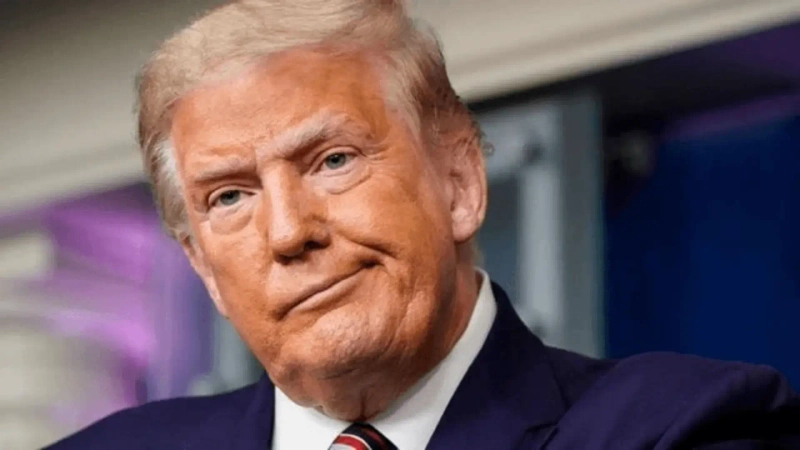
U.S. President Donald Trump said that, in the wake of the Iran war, he has floated an idea under which countries that receive energy supplies via that route would be responsible for security in the Strait of Hormuz.
On the 18th (local time), Trump wrote on social media (SNS), “I wonder what would happen if we wiped out what remains of the terrorist state Iran and then made the countries that use that strait responsible for it,” adding, “Then some of our unresponsive allies would start moving quickly.”
The remarks are seen as an attempt to apply pressure by raising the issue of who should be responsible for controlling the Strait of Hormuz, as opposition mounts among European allies to U.S. requests for cooperation in escorting commercial vessels through the strait.
A significant share of the crude oil that passes through the Strait of Hormuz flows to Asian and European countries, including South Korea, China and Japan. The United States imports relatively little Middle Eastern crude. With the U.S. effectively less dependent on the strait, Trump appears to be arguing that Washington should eventually step back from providing long-term security and that countries with higher dependence should take responsibility for safe passage through the waterway.
The Strait of Hormuz is a key artery for global oil shipments, and any blockade would inevitably deal a major blow to the global economy. Given that Iran has previously used threats to close the strait and the seizure of vessels as leverage, the U.S. has stationed naval forces in the Middle East and has continuously monitored the area.
Trump appears to view the situation as an example of allies “free-riding” on U.S. military power. On the day, he also reposted to his SNS account a New York Post editorial saying that “America’s allies must wake up and step up to help keep the Strait of Hormuz open.”
He also vented strong frustration the previous day, saying most North Atlantic Treaty Organization (NATO) members had informed him they would not be involved in military operations against Iran and suggesting he did not need anyone’s help.
Earlier, Trump unveiled a plan for a “Hormuz coalition,” under which a multinational force would conduct commercial-vessel escort operations in the Strait of Hormuz, and has demanded that Europe, South Korea and Japan join.
Park Soo-rim, Hankyung.com reporter paksr365@hankyung.com

Korea Economic Daily
hankyung@bloomingbit.ioThe Korea Economic Daily Global is a digital media where latest news on Korean companies, industries, and financial markets.