Oil retreats after nearing $120… roller coaster on the Strait of Hormuz factor
Summary
- Brent crude futures, the global benchmark, ended higher at $108.65 a barrel, the report said.
- WTI futures settled lower at $96.14 a barrel, trading more than $10 below Brent, the report said.
- The U.S. Treasury flagged the potential for lifting sanctions on Iranian crude, releasing strategic reserves, and a temporary waiver of sanctions on Russian crude, the report said.
Forecast Trend Report by Period


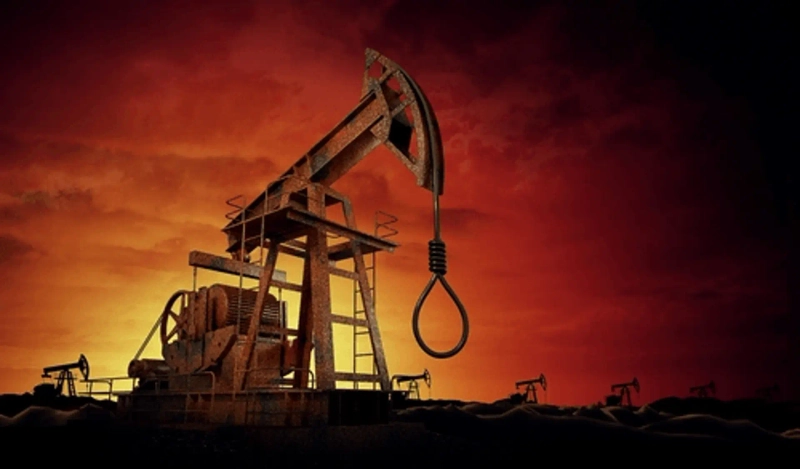
International oil prices swung sharply higher and lower on the 19th (local time) amid uncertainty surrounding the Strait of Hormuz.
Brent crude futures, the global benchmark, settled at $108.65 a barrel for May delivery, up 1.2% from the previous session.
Brent at one point climbed to an intraday high of $119.13 a barrel, coming close to $119.5—the highest intraday level since July 2022, recorded on the 9th—but later gave back most of its gains.
U.S. West Texas Intermediate (WTI) futures settled at $96.14 a barrel for April delivery, down 0.2% from the previous session.
WTI briefly traded above $100 a barrel during the session on reports that the United States is not considering restrictions on crude exports, but then quickly surrendered its gains and turned lower from the previous day’s close.
WTI is trading more than $10 a barrel below Brent, and the gap between the two benchmarks has widened to the largest in about 11 years, Reuters reported.
U.S. Treasury Secretary Scott Bessent said in an interview with Fox Business that sanctions on roughly 140 million barrels of Iranian crude currently stuck on tankers could be lifted soon as a way to increase global oil supply and bring prices down.
Bessent also suggested that the United States has multiple tools to lower oil prices, including additional releases from the Strategic Petroleum Reserve.
In addition, the U.S. Treasury said on the day it would temporarily exempt Russian crude oil and petroleum products shipped before the 12th of this month from sanctions.
The previous day, Israel bombed South Pars, Iran’s largest gas field, and a natural-gas processing complex in Asaluyeh on Iran’s southwestern coast.
In retaliation, Iran attacked gas facilities in Ras Laffan, a Qatari liquefied natural gas (LNG) production hub, and local officials said the strike caused "widespread damage."
Also on the day, SAMREF (Saudi Aramco Mobil Refinery Company)—a Saudi Aramco–ExxonMobil joint-venture refinery in Yanbu on Saudi Arabia’s Red Sea coast—was hit by a drone strike, briefly halting loadings at Yanbu port’s oil export terminal. Two refineries in Kuwait also caught fire following attacks by Iranian drones.
Noh Jeong-dong, Hankyung.com reporter dong2@hankyung.com

Korea Economic Daily
hankyung@bloomingbit.ioThe Korea Economic Daily Global is a digital media where latest news on Korean companies, industries, and financial markets.