Government: "Now possible to import Russian crude oil and naphtha…government will also provide support"
Summary
- The government said risks that had blocked imports of Russian crude oil and naphtha have eased, broadening conditions for domestic companies to review imports.
- It said the refining and petrochemical industry can actively consider importing Russian crude oil and naphtha, but variables such as quality, reliability and contract timing remain, making refiners’ judgment crucial.
- Despite the possibility of supply disruptions of Qatari LNG and helium, it said volumes are secured through year-end and it will continue to monitor the risk of higher international LNG prices and supply-chain instability.
Forecast Trend Report by Period


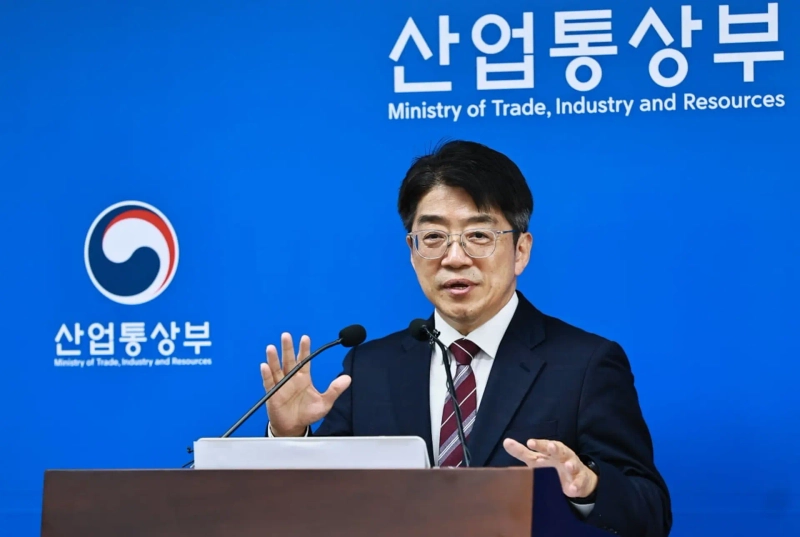
The government has concluded that the key risks that had effectively blocked imports of Russian crude oil and naphtha have largely been resolved. It explained that, with concerns eased over payment mechanisms and the risk of secondary sanctions, domestic companies now have broader scope to review imports.
Yang Ki-uk, Director General for Industrial Resources and Energy Security at the Ministry of Trade, Industry and Energy, said at a briefing at the Government Complex Sejong on the 25th, “Following consultations with the U.S. side, we confirmed that payment can be made in currencies other than the U.S. dollar and that secondary sanctions would not apply.” The step follows the U.S. partially easing energy sanctions on Russia and Iran after international oil prices surged amid instability in the Middle East.
The assessment is that refiners and petrochemical companies are now in a position to more actively consider importing Russian crude oil and naphtha. However, there are still many variables before actual imports can take place. Yang stressed that “for crude oil, factors such as quality (specifications), counterparty reliability, and whether a contract can be concluded within a short period must be assessed comprehensively,” adding that “the refiners’ judgment is important.”
Naphtha is seen as having a relatively higher likelihood of being imported than crude oil. Still, because the volumes covered by the current sanctions easing are limited to cargoes already shipped, it is difficult to verify quality and quantities in advance, and the need to complete everything from contracting to payment within a month is also a burden. The government said it would provide support, including transaction verification, if requested by industry.
On concerns about disruptions to supplies of liquefied natural gas (LNG) from Qatar, the government drew a line, saying it is “at a manageable level.” Reports said QatarEnergy is considering declaring force majeure on long-term contracts, but the government said it has not received any official notice.
Yang said, “Even excluding Qatari volumes, we have secured supplies that can be used through the end of the year,” adding, “We are also working in parallel to secure additional volumes.” He added that if force majeure were to materialize, there could be upward pressure on international LNG prices, and the government will closely monitor market conditions.
Qatar is a key supplier, accounting for about 20% of global LNG production. With some production facilities destroyed in recent military clashes, concerns have been raised about supply disruptions. Helium used in semiconductor processes is also an item for which dependence on Qatar is high, but the government said it has secured about three months’ worth of inventory and alternative supply sources. However, it plans to continue managing the risk of price swings or supply-chain instability.
Oh Se-seong, Hankyung.com reporter sesung@hankyung.com

Korea Economic Daily
hankyung@bloomingbit.ioThe Korea Economic Daily Global is a digital media where latest news on Korean companies, industries, and financial markets.