After Hormuz, fears ‘logistics lifeline’ could be choked off…Houthi rebels join Iran war
Summary
- Yemen’s Iran-aligned Houthi rebels said they had officially joined the conflict by launching missiles toward Israel.
- With the closure of the Strait of Hormuz prolonged, it reported that instability is increasing on the Red Sea route.
- It warned that as the Middle East front expands, overlapping logistics disruptions and energy supply insecurity could increase the likelihood of a broader adverse impact on the global economy.
Forecast Trend Report by Period


Houthi rebels fire missiles at Israel
Concerns grow over the Red Sea, a global logistics artery
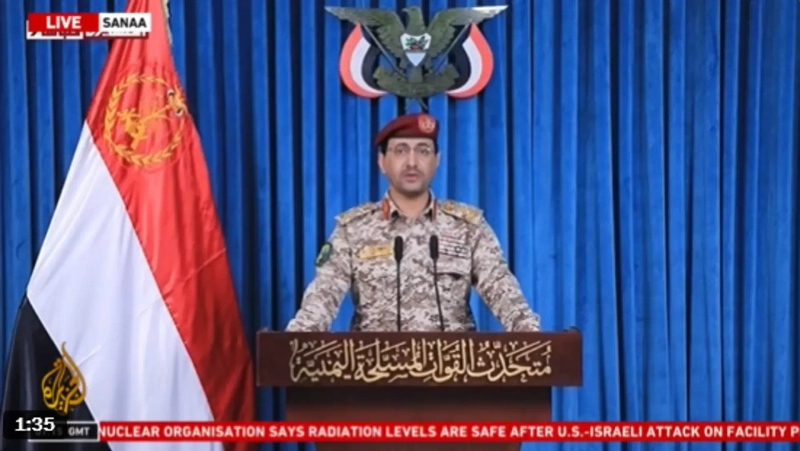
As the war sparked by U.S. and Israeli strikes on Iran enters its second month, Yemen’s Iran-aligned Houthi rebels have officially joined the conflict by launching missiles toward Israel. With the closure of the Strait of Hormuz dragging on, concerns are mounting that further disruption to Red Sea routes could amplify the shock to the global economy.
The Israeli military said on the morning of the 28th (local time) that it had detected a missile launch from Yemen targeting Israeli territory. It added that air-defense systems were activated in an attempt to intercept.
This marks the first military action from Yemen against Israel since the war began after U.S. and Israeli airstrikes on Iran on the 28th of last month.
The Houthis also acknowledged the attack. According to the Houthi outlet Al Masirah, spokesman Yahya Saree said in a statement that they had carried out “the first military operation, including missile strikes, targeting major military objectives of the Israeli enemy.”
Saree claimed the attack was the implementation of their longstanding position to support the so-called resistance front of Iran, Lebanon, Iraq and Palestine. He added that operations would continue until objectives are achieved and attacks on the resistance front cease.
He said, “This operation coincided in timing with the heroic operations carried out by our Mujahideen (Islamic holy warriors) brothers in Iran and Hezbollah in Lebanon,” indicating the missile launch was conducted in coordination with Iran’s military leadership, Lebanon’s armed faction Hezbollah and others.
The Houthis’ entry had already been foreshadowed. On the 26th, Houthi leader Abdul-Malik al-Houthi said, “As the people of Yemen, we repay loyalty with loyalty,” adding, “If circumstances develop that require a military response, we will respond immediately, as we did in the previous clashes.”
The Houthi rebels are regarded as a core force in Iran’s “Axis of Resistance.” Since the outbreak of the Iran war, Lebanon’s Hezbollah and Iraqi Shiite militias have joined the fight on Iran’s side, but the Houthis had so far refrained from direct military intervention.
The situation is becoming more complex. With the shutdown of the Strait of Hormuz—already a key crude-oil shipping route—prolonged, instability is now rising in the Red Sea, widely seen as a global logistics artery. The broader the Middle East front becomes, the greater the risk that disruptions to logistics and energy supply insecurity will overlap, potentially expanding the adverse impact on the world economy.
Kim Dae-young, Hankyung.com reporter kdy@hankyung.com

Korea Economic Daily
hankyung@bloomingbit.ioThe Korea Economic Daily Global is a digital media where latest news on Korean companies, industries, and financial markets.