Out of the frying pan… Iran tells Yemen’s Houthis to "be ready to block the Red Sea"
Summary
- It said the longer the war between the US and Israel and Iran drags on, the more likely the Houthi rebels are to target the Red Sea.
- It said that if the Houthis attack ships near the southern Red Sea and the Bab el-Mandeb Strait, it could compound Iran’s potential blockade of the Strait of Hormuz and intensify turmoil in the global energy market.
- It said that given the Houthis’ 2023 attacks in the Bab el-Mandeb Strait affected global seaborne crude oil volumes, whether they move to block the Red Sea in the future could serve as leverage in negotiations with the US.
Forecast Trend Report by Period


Bloomberg report citing European officials
Higher likelihood of targeting the Red Sea if the war drags on
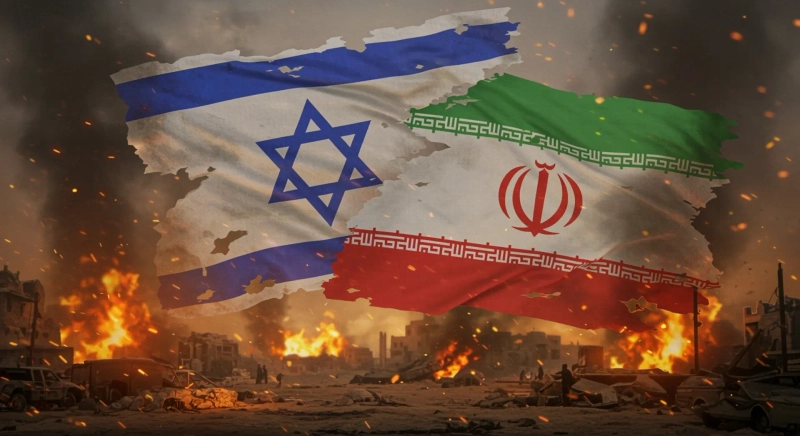
Iran is reportedly pressing the Iran-aligned Houthi rebels in Yemen to prepare attacks targeting ships transiting the Red Sea in case the war escalates.
Iran is said to be urging the Houthis to launch attacks in the Red Sea as it braces for the possibility of further US strikes.
According to Bloomberg on the 30th (local time), European government officials speaking on condition of anonymity said Houthi leaders are reviewing options for more aggressive action after recently firing ballistic missiles at Israel. They projected that the longer the war between the US and Israel on one side and Iran on the other continues, the greater the likelihood the Houthis will target the Red Sea.
In particular, one European official also raised concerns that if the US tries to seize Kharg Island—an export hub for Iranian crude—it could become a catalyst for the Houthis to widen the scope of their attacks. If the Houthis move to strike vessels transiting the southern Red Sea and areas near the Bab el-Mandeb Strait, the global energy market—already under stress from the risk of Iran blocking the Strait of Hormuz—is expected to be thrown into even greater turmoil.
The Houthis have previously disrupted maritime traffic. In 2023, after the Gaza war, the Houthis declared support for Palestinians and carried out drone and missile attacks on commercial vessels, including oil tankers, in the Bab el-Mandeb Strait at the entrance to the Red Sea, through which about 10% of global seaborne crude volumes pass. The US responded with large-scale airstrikes. After agreeing to a truce with the US last year, the Houthis had refrained from attacking commercial shipping in the Red Sea.
The Houthi rebels may also delay a decision on blocking the Red Sea to preserve leverage in negotiations with the US. In this regard, European officials believe the Houthis face a complex calculus over whether to become involved in Iran’s war. For Iran’s leadership, the threat of attacks on key sea lanes via an armed proxy in the region can be used as leverage in talks with Washington.
While Iran is the Houthis’ most important backer, Bloomberg assessed that the group does not always follow directives from Iran’s leadership. The outlet said the Houthis make their own strategic calculations. It added that, as they are still recovering from damage from previous airstrikes, they are likely to be wary of provoking retaliation by the US or Israel.
Separately, US and Saudi Arabian officials are also said to believe the Houthis are showing signs of holding back for now from further escalation or attacks targeting US and Saudi assets. The Houthis—one of the core forces in the Iran-led so-called “Axis of Resistance”—formally declared their entry into the war on the 28th (local time), a month after the war began, by firing missiles at Israel.
Unlike other “Axis of Resistance” forces—such as Lebanon’s Hezbollah and Iraqi Shiite militias—which swiftly took Iran’s side and began military action in this war, the Houthis initially delayed involvement, watched developments, and only later moved to the forefront.
This was reportedly due to divisions within the leadership over how far to raise the intensity of attacks. Bloomberg analyzed that as this internal coordination dragged on, the timing of the Houthis’ entry was delayed by about a month.
Park Soo-bin, Hankyung.com reporter waterbean@hankyung.com

Korea Economic Daily
hankyung@bloomingbit.ioThe Korea Economic Daily Global is a digital media where latest news on Korean companies, industries, and financial markets.