PiCK
US job openings and separations at 6.882 million in February, below estimates…consumer confidence rebounds
Summary
- US job openings in February totaled 6.882 million, below market expectations, while hiring fell to 4.8 million.
- This is seen as a signal that momentum across the broader labor market is weakening, and as a key variable in setting the future path of monetary policy.
- By contrast, the CB Consumer Confidence Index came in at 91.8, above both the estimate and the prior reading, suggesting stronger optimistic expectations for the economy and consumption ahead.
Forecast Trend Report by Period


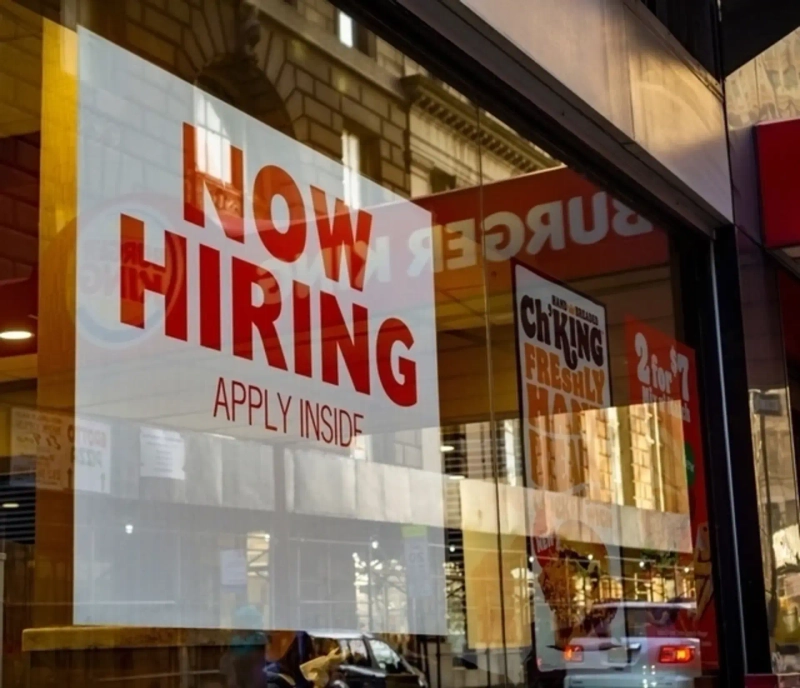
US job openings and separations in February came in slightly below market expectations, while a decline in hiring was confirmed.
According to the Job Openings and Labor Turnover Survey (JOLTS) released by the US Department of Labor on March 31 (local time), job openings in February totaled 6.882 million, undershooting the market forecast of 6.89 million.
Hiring stood at 4.8 million, down 498,000 from the previous month, the lowest level since April 2020.
Total separations, including quits and layoffs, were little changed at 5.0 million. Quits held at 3.0 million, while layoffs and discharges remained at around 1.7 million.
By sector, hiring declines were particularly pronounced in industries such as accommodation and food services and construction, and job openings also showed a downtrend in some service industries.
Markets are focusing on the combination of job openings missing estimates and a concurrent drop in hiring. Typically, when both openings and hiring cool at the same time, it is interpreted as a sign that momentum across the broader labor market is weakening.
Labor-market indicators are considered a key variable in determining the future course of monetary policy. Analysts say that if the cooling trend in the labor market continues, it could also influence policy decisions by the US central bank, the Federal Reserve (Fed).
Meanwhile, the Conference Board (CB) Consumer Confidence Index released at the same time rose to 91.8, beating the market forecast of 87.8 and increasing from the prior reading of 91.0. The index is a leading indicator reflecting consumers’ perceptions of the economy and their spending outlook; a higher reading is interpreted as stronger optimistic expectations for the economy and consumption ahead.

Minseung Kang
minriver@bloomingbit.ioBlockchain journalist | Writer of Trade Now & Altcoin Now, must-read content for investors.