White House Denies Claims Vance Suggested Nuclear Option on Iran
Summary
- The White House said interpretations that Vice President JD Vance’s remarks suggested possible use of nuclear weapons were false.
- The U.S. said it is maintaining a parallel approach of diplomatic engagement and military options even as military tensions persist in the Middle East.
- Interpretations of nuclear-related remarks could affect the international situation, with attention focused on the outcome of future negotiations and the direction of the response.
Forecast Trend Report by Period


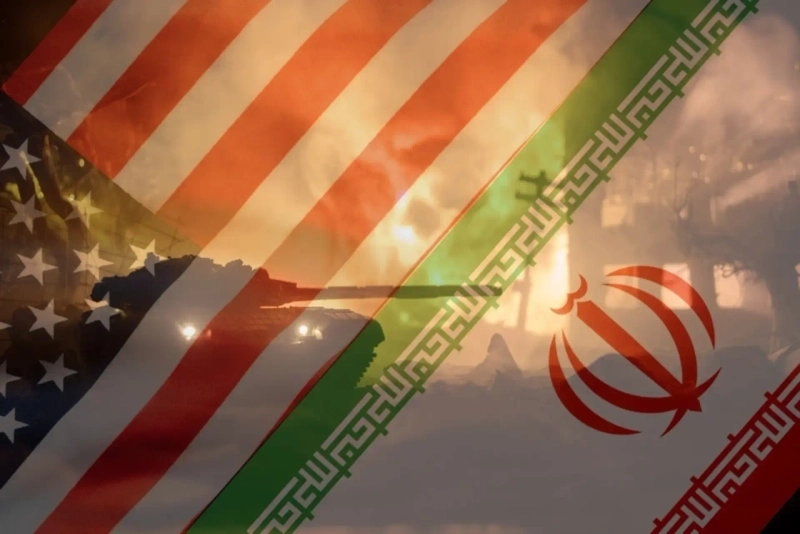
The White House denied interpretations that recent U.S. comments on Iran implied possible use of nuclear weapons, pushing back on controversy over what some had described as a nuclear threat.
Walter Bloomberg reported on June 7 that the White House said claims Vice President JD Vance had signaled possible use of nuclear weapons were false. Vance said the U.S. has a range of response options, but no decision has been made on whether to use them.
The controversy spread after comments by President Donald Trump. Ahead of a negotiation deadline, Trump said "one civilization could disappear tonight."
The White House reiterated that the remarks did not indicate any plan to use nuclear weapons. The U.S. is maintaining a parallel track of diplomatic engagement and military options.
With military tensions continuing in the Middle East, interpretations of nuclear-related remarks could affect the international situation. Attention is focused on the outcome of upcoming negotiations and the direction of the U.S. response.

JH Kim
reporter1@bloomingbit.ioHi, I'm a Bloomingbit reporter, bringing you the latest cryptocurrency news.