Iran’s Bitcoin Toll Plan Highlights Limits of Dollar Sanctions
Summary
- Iran is seeking transit fees in Bitcoin from tankers passing through the Strait of Hormuz to sidestep US sanctions built around the dollar.
- Iran and Russia are using alternative payment networks such as SPFS and SEPAM, along with the yuan, to reduce reliance on SWIFT and the dollar.
- Cryptocurrency payment networks are helping Russia and North Korea evade sanctions, while Russian crude is being traded in rubles and yuan, underscoring weaker US dollar dominance.
Forecast Trend Report by Period


Iran to Seek Bitcoin for Strait of Hormuz Transit Fees
Yuan, Alternative Payment Networks Gain Ground
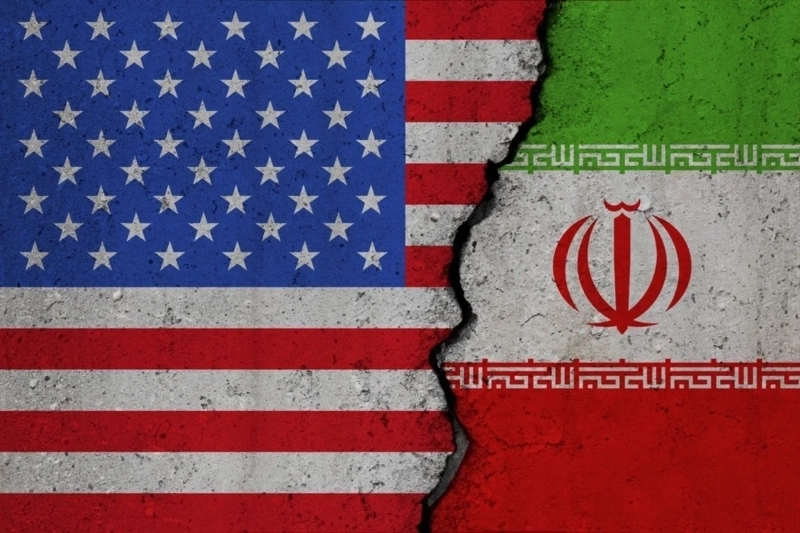
The war involving Iran is adding to criticism that the US strategy of weaponizing the dollar is losing effectiveness. The spread of alternative payment channels, including the yuan and Bitcoin, is blunting sanctions that depend on cutting countries off from the dollar-based financial system.
Iran plans to demand Bitcoin as transit fees from oil tankers passing through the Strait of Hormuz during a two-week ceasefire, the Financial Times reported on July 9. Hamid Hosseini, spokesman for Iran’s Oil, Gas and Petrochemical Products Exporters’ Association, said vessels would have to make payment in Bitcoin within seconds. He added that the move was meant to prevent funds from being tracked or seized under US financial sanctions. Iran turned to Bitcoin after US sanctions cut the country off from the SWIFT international banking network, according to the report.
Iran also took control of the Strait of Hormuz last month and reportedly accepted transit fees from some vessels in Chinese yuan instead of US dollars. That, too, was a result of US financial sanctions that blocked the country from conducting dollar transactions.
The US has long relied on sanctions tied to the dollar payment system to pressure adversaries. In 2022, it cut Russia off from SWIFT after Moscow invaded Ukraine and froze Russian dollar assets around the world.
Russia, however, has been bypassing those restrictions through SPFS, a domestic financial messaging network developed by the central bank after the 2014 Crimea crisis. As of April last year, 584 institutions had joined the system, including 177 foreign financial institutions across 24 countries. Iran has also linked its own SEPAM financial network to SPFS.
The spread of cryptocurrency payment networks is also eroding Washington’s use of the dollar as a sanctions tool. Foreign Policy reported that Russia’s cryptocurrency-based sanctions evasion reached $93 billion last year. North Korea has also been evading US sanctions by stealing crypto assets around the world.
China is also challenging the dollar’s dominance. Most international oil trade is still settled in dollars, but Russian crude targeted by Western sanctions is being traded in rubles or yuan.
Dan Davies, research director at UK financial analysis firm Frontline Analysts, said the war involving Iran had exposed weaknesses in the US dollar.
Kim Ju-wan, Hankyung reporter, kjwan@hankyung.com

Korea Economic Daily
hankyung@bloomingbit.ioThe Korea Economic Daily Global is a digital media where latest news on Korean companies, industries, and financial markets.