US Stocks Close Higher as Israel Ceasefire Talks Boost Sentiment
Summary
- Signs that Israel could begin ceasefire negotiations related to the Middle East conflict helped the three major U.S. stock indexes close higher.
- The U.S. core PCE price index came in as expected, but slower growth kept markets wary about inflation and the outlook for monetary policy.
- Shares of megacap technology companies including Amazon and Meta rose on AI optimism, while the VIX index fell, signaling stronger appetite for risk assets.
Forecast Trend Report by Period


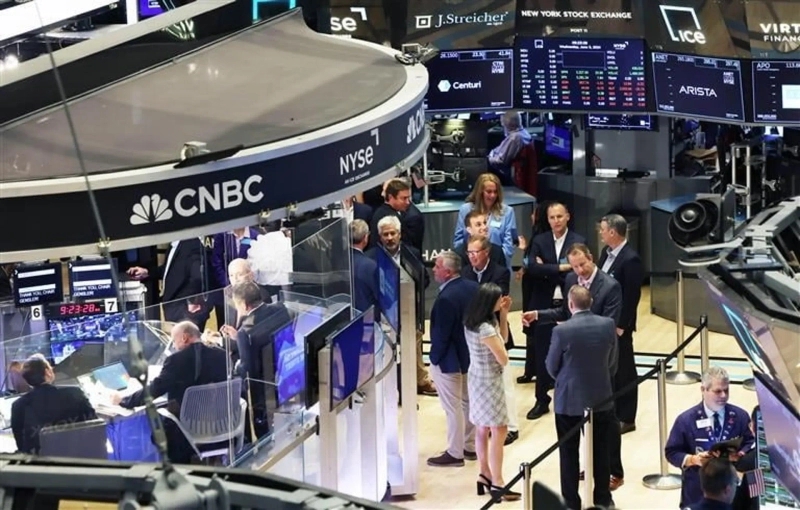
U.S. stocks closed higher on March 9 as investors took comfort from signs that Israel may join ceasefire negotiations related to the Middle East conflict.
On the New York Stock Exchange, the Dow Jones Industrial Average rose 275.88 points, or 0.58%, to 48,185.80. The S&P 500 gained 41.85 points, or 0.62%, to 6,824.66, and the Nasdaq Composite added 187.42 points, or 0.83%, to 22,822.42.
Even after the United States and Iran reached a ceasefire agreement, Israel had continued attacks on Lebanon's Hezbollah, raising concerns that it could disrupt the truce. Those worries weighed on stocks early in the session.
Sentiment improved after Israeli Prime Minister Benjamin Netanyahu said he had instructed the cabinet the previous day to begin negotiations as soon as possible, citing repeated direct requests from the Lebanese side. Expectations that Israel could halt its attacks on Lebanon strengthened buying appetite.
Skepticism about Israel's intentions remained. In a separate statement to residents of northern Israel, Netanyahu said there was "no ceasefire in Lebanon" and that Israel was continuing to strike Hezbollah with force.
U.S. inflation data came in as expected. The Commerce Department said the core personal consumption expenditures price index, which excludes food and energy, rose 0.4% in February from a month earlier. If that pace continues, annual inflation could exceed 4%. Persistent price pressures would make it harder for the Federal Reserve to pursue an easier monetary policy stance.
Growth, however, was weaker than expected. The Commerce Department said final fourth-quarter gross domestic product rose at a seasonally adjusted annualized rate of 0.5% from the previous quarter. That was below both the market forecast and the prior estimate of 0.7%. The reading marked a sharp slowdown from 4.4% in the third quarter of last year.
Among sectors, energy fell more than 1%. Consumer discretionary rose more than 2%, while industrials gained more than 1%.
Among technology companies with market capitalizations above $1 trillion, all advanced except Microsoft.
Amazon climbed 5.6% after saying in its annual shareholder letter that it is considering selling its in-house artificial intelligence chips to third parties.
Meta rose about 2.6% on optimism following the release of its in-house AI model.
According to CME FedWatch, federal funds futures priced in a 25% chance of a 25-basis-point rate cut by the end of December, up from 20.2% at the previous close.
The Cboe Volatility Index, or VIX, fell 1.55 points, or 7.37%, to 19.49.
Han Gyeong-woo, Hankyung.com reporter case@hankyung.com

Korea Economic Daily
hankyung@bloomingbit.ioThe Korea Economic Daily Global is a digital media where latest news on Korean companies, industries, and financial markets.