Oman Publicly Opposes Iran Plan to Charge Strait of Hormuz Transit Fees
Summary
- Oman said it opposes imposing transit fees on passage through the Strait of Hormuz under international maritime transport conventions.
- Iran is considering imposing transit fees on ships passing through the Strait of Hormuz to help cover postwar reconstruction costs following US and Israeli airstrikes.
- Iran and Oman are drafting a new protocol to monitor vessel traffic in the Strait of Hormuz, while some countries’ failure to sign international maritime law conventions has created a legal vacuum.
Forecast Trend Report by Period


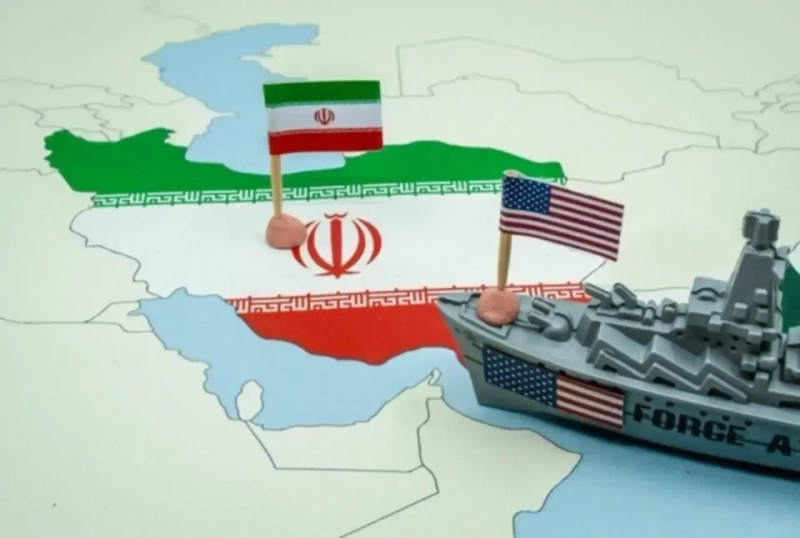
Oman has publicly opposed any move to charge ships transit fees for passing through the Strait of Hormuz, as Iran weighs such a measure. The two countries are also working on a new protocol to monitor vessel traffic through the waterway.
Al Jazeera and Oman’s state-run Al Wisal radio reported on July 9 that Said Al Mawali, Oman’s minister of transport, communications and information technology, told the Shura Council a day earlier that Oman had signed all international maritime transport conventions and that no fees could be imposed on passage through the strait.
He said the Strait of Hormuz is a natural passage rather than a man-made canal, indicating there is no legal basis for collecting transit fees as there is for the Suez Canal.
Al Mawali said the confusion surrounding the strait stems from a legal vacuum created by some countries’ failure to join international conventions. Iran, the US and some other countries have not signed certain international maritime law conventions, creating differences in how the strait’s operation is interpreted, he said.
His comments came after multiple foreign media outlets reported that Iran is considering charging ships passing through the Strait of Hormuz to help finance postwar reconstruction following US and Israeli airstrikes.
Kazem Gharibabadi, Iran’s deputy foreign minister for legal and international affairs, recently told foreign media that Tehran is drafting a new protocol with Oman to monitor vessel traffic through the Strait of Hormuz.
No one should expect the prewar rules to apply in the future, he said. Restrictions or bans on navigation for aggressor states and countries supporting them would be unavoidable.
At its narrowest point, the Strait of Hormuz is about 33 kilometers wide. That is narrower than the combined breadth of the two countries’ territorial waters recognized under international law, leaving no high seas corridor. Ships passing through the strait must therefore travel through either Iranian or Omani territorial waters.
Under a 1974 agreement, Iran and Oman divided their territorial waters along a median line based on the equidistance principle. Before the war, ships transited the strait under a traffic separation scheme designated by the International Maritime Organization, but traffic has effectively been blocked since the Iran war.
Jang Ji-min, Hankyung.com guest reporter

Korea Economic Daily
hankyung@bloomingbit.ioThe Korea Economic Daily Global is a digital media where latest news on Korean companies, industries, and financial markets.