Citi Sees Bank of Korea Raising Rates in July, Year-End Rate at 3%
Summary
- Citi said the Bank of Korea will raise the benchmark rate by 25 basis points each in July and October, bringing the year-end interest rate to 3%.
- Consumer inflation is expected to remain in a range of 2.8% to 3.3% from April through September this year, which Citi said could support further rate hikes.
- If the closure of the Strait of Hormuz persists and mandatory energy-saving measures deepen the slump in domestic demand, the Bank of Korea's timing for a rate hike will likely be pushed back to the fourth quarter of this year or the first quarter of next year.
Forecast Trend Report by Period


Citi report projects a 3.00% policy rate by year-end and inflation in the 2.8%-3.3% range through September
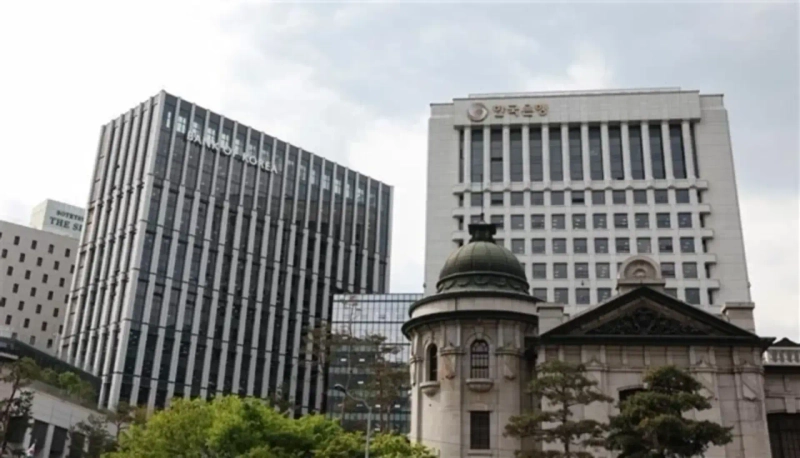
The Bank of Korea is poised to raise its benchmark interest rate in July, according to a Citi report. The timing could be pushed back to early next year, however, if a prolonged closure of the Strait of Hormuz further weakens domestic demand.
In a report dated April 13, Citi economist Kim Jin-wook said the bank was sticking with its base-case forecast for the BOK to raise the benchmark rate by 25 basis points in July and again in October, bringing the year-end terminal rate to 3%.
Kim also highlighted BOK governor nominee Shin Hyun-song's preference for tighter monetary policy. Citi expects Shin to move toward full-fledged tightening after confirming evidence of second-round inflation effects and excess liquidity.
Consumer inflation will likely stay in a range of 2.8% to 3.3% from April through September from a year earlier, Citi said. For April, Kim forecast consumer prices would rise 2.8% from a year earlier and 0.7% from the previous month, reflecting higher oil prices and airfares.
The earliest sign of a rate increase could come at the Monetary Policy Board's May meeting, when board members revise their conditional forward guidance for the next six months in a more hawkish direction, according to the report.
That outlook would become less certain if the closure of the Strait of Hormuz continues beyond the end of April. Kim wrote that the government could expand mandatory crude stockpiling and energy-saving measures beyond the public sector to the private sector. Those forced energy-saving steps would weigh on domestic demand and could delay the BOK's rate increase to the fourth quarter of this year or the first quarter of next year.
Park Sang-kyung, Hankyung.com reporter highseoul@hankyung.com

Korea Economic Daily
hankyung@bloomingbit.ioThe Korea Economic Daily Global is a digital media where latest news on Korean companies, industries, and financial markets.