IMF Says Stablecoins Are Only as Stable as Their Reserves, Warns of Bank-Run Risk
Summary
- The IMF said stablecoins are vulnerable to bank runs if they lack proper regulation and high-quality reserve assets.
- The report said the inclusion of volatile assets such as Bitcoin (BTC) in Tether (USDT) reserves is a point of vulnerability.
- The IMF said even structures based on safe assets such as central bank reserves have limits, and called for a model that can secure returns without investing in risky assets.
Forecast Trend Report by Period


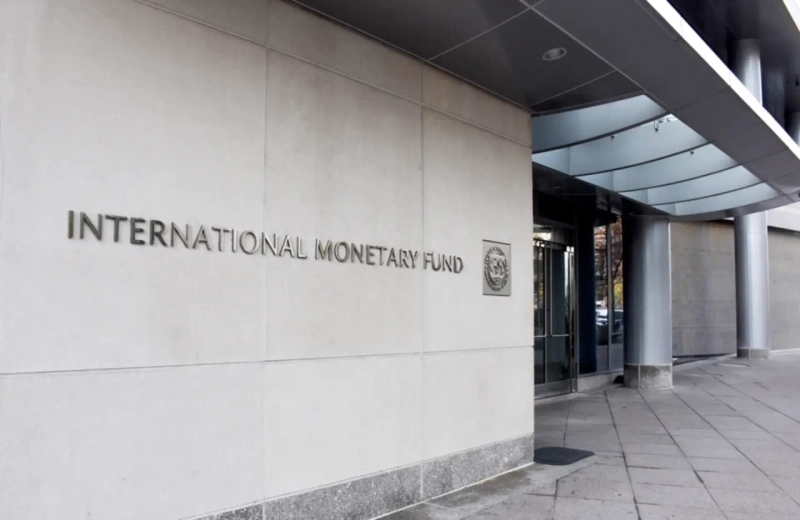
The International Monetary Fund warned that stablecoins may be only as stable as the quality and structure of the assets backing them.
In a recent report, the IMF said stablecoins could be vulnerable to bank runs, or mass redemptions, without proper regulation, according to DL News on June 13.
The IMF said stablecoins offer advantages including low fees and fast payments. But it added that the composition of their reserves could create risks for the broader financial system. The report highlighted that some issuers include volatile assets among the holdings backing their tokens.
The report cited Tether's USDT as an example, describing the inclusion of Bitcoin in part of its reserves as a vulnerability. If users begin to anticipate a drop in the value of those reserves, they may move to redeem preemptively, triggering a bank run.
The IMF also referred to the collapse of Terraform Labs' algorithmic stablecoin UST. It said the token's reserve-free structure failed to maintain its peg under market pressure and eventually collapsed.
The IMF said central bank reserves are the most reliable form of backing among assets that provide both liquidity and safety.
At the same time, it said even structures centered on safe assets have limitations. Holdings such as government bonds or cash offer lower yields, which can undermine issuer profitability and lead to a contraction in supply.
The IMF said stablecoin issuers need a model that can generate returns without investing in risky assets. Among the options mentioned were central banks paying interest on reserves or allowing issuers to generate revenue from the use of payment data.

Minseung Kang
minriver@bloomingbit.ioBlockchain journalist | Writer of Trade Now & Altcoin Now, must-read content for investors.