US Moves to Block Strait of Hormuz After Iran Talks Collapse, Raising Pressure on Asia
Summary
- The US blockade of the Strait of Hormuz could worsen the global energy shortage and intensify price pressure if it cuts off Iran's crude exports.
- The blockade came before the waiver on sanctions for Iranian crude was due to expire, increasing the risk of tighter oil supply pressure for Asian countries and rising spot-market prices.
- Experts criticized Washington's inconsistent economic response, saying it risks sacrificing Asian allies while fueling a global scramble for crude supplies and creating additional risk factors.
Forecast Trend Report by Period


Blockade to begin at 11 p.m. Korea time on April 13
Trump says ships that paid transit fees to Iran will be stopped
Cutting off Iranian crude could intensify China’s competition in the spot market
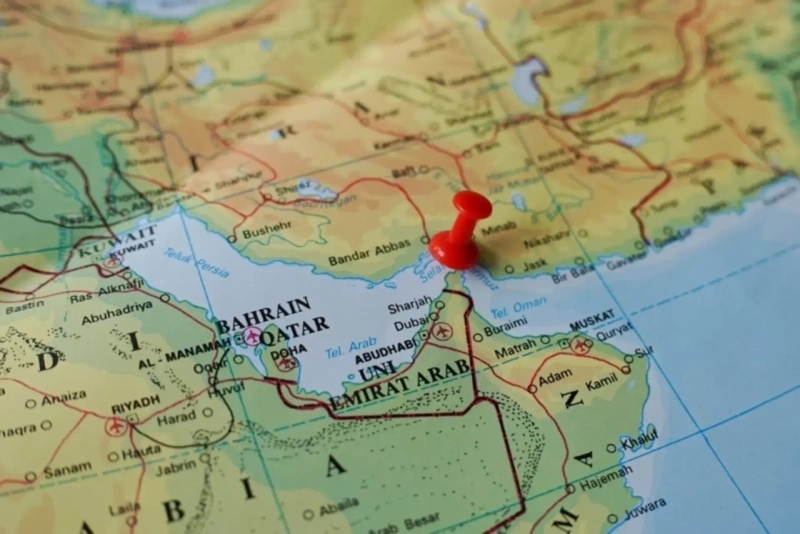
President Donald Trump said the US would block the Strait of Hormuz after peace talks with Iran collapsed. The measure will apply to all vessels entering or leaving Iranian ports from 10 a.m. Eastern time on April 13, or 11 p.m. in South Korea.
The US move stands to deepen energy strains for Asian allies.
Trump wrote in a social media post on April 13 that the US Navy would immediately begin blocking all vessels moving through the Strait of Hormuz. In a follow-up post, he specified that the blockade would take effect at 10 a.m. Eastern time on April 13, or 11 p.m. in South Korea.
Even after the war began, traffic through the strait did not stop completely. It was sharply lower than before the conflict, but about 10 vessels a day were still making selective transits. If the measure cuts off even that reduced flow of energy shipments, the global supply shortage could worsen.
The step appears aimed at cutting off Iran's oil revenue, a key financial lifeline for Tehran. Iran had continued exporting crude at levels close to those seen before the war, and higher oil prices probably boosted its sales income.
Oil futures settled last week about 30% above prewar levels. Traders have been scouring the world for supply, and some spot cargoes have sold for record prices of more than $140 a barrel.
In March, the US announced a sanctions waiver allowing some sales of Iranian crude to continue during the war. That helped ease oil supply pressure in Asia, especially in China. Historically, China has been the biggest buyer of Iranian oil, and those flows reduced competition in the spot market for other Asian countries.
But the blockade came before the waiver was due to expire on April 19, raising the risk of a near-term drop in supply.
Brett Erickson, managing principal at Obsidian Risk Advisors, said countries around the world are already facing a severe energy emergency and that Washington's economic response has been inconsistent. Administration officials have been boxed into either sacrificing Asian allies or allowing Iran to keep a grip on global energy markets, he added.
Since the war began, Iran has been the only Gulf producer able to keep oil exports near prewar levels. By contrast, production in neighboring countries has fallen sharply as the Strait of Hormuz was effectively closed and Tehran began attacking major regional energy infrastructure. That has triggered a global scramble for crude supplies.
A day earlier, Vice President JD Vance, special envoy Steve Witkoff and envoy Jared Kushner left the region after 21 hours of talks with senior Iranian officials mediated by Pakistan. With the negotiations failing, the ceasefire reached last week has been thrown into doubt.
Trump said in a phone interview on Fox News' Sunday Morning Futures a day earlier that the policy was "all in or all out." At some point, every country would either have to participate or withdraw, he said. There would be no proportional split and no carveouts for allies or friendly nations. It was all or nothing.
Trump also extended the threat to international waters, saying the US Navy would stop any ship that had paid transit fees to Iran. "No one who pays illegal tolls will be guaranteed safe passage on the high seas," he said.
The president also suggested the UK would send a minesweeper and that allies would cooperate with the blockade.
But the UK does not plan to take part, according to people familiar with the government's position. Britain has autonomous mine-detection drones in the region, but would deploy them only if a workable plan emerges with other allies to reopen the strait, the people said.
An Iranian semi-official media outlet blamed what it called excessive US demands for the collapse of the talks. Iran's foreign ministry, however, said not every difference could be resolved in a single round of negotiations, leaving the door open to further discussions.
Michael Ratney, a former US ambassador to Saudi Arabia, told Bloomberg TV that the US move to block the strait creates "a tremendous additional risk factor." With some tankers heading to China, the question is whether the US Navy would stop them and trigger a crisis in US-China relations, he said.
Preliminary tracking estimates compiled by Bloomberg show Iran continued exporting crude and condensate from the Persian Gulf to China and elsewhere in March, though volumes were below prewar levels.
Any US move to block the Strait of Hormuz could also raise the risk of Iranian missile attacks on American assets in the Gulf. That means it may be easier for Washington to enforce the blockade from the Arabian Sea or other waters beyond the range of Iranian weapons.
Kim Jeong-a, contributing reporter, Hankyung.com, kja@hankyung.com

Korea Economic Daily
hankyung@bloomingbit.ioThe Korea Economic Daily Global is a digital media where latest news on Korean companies, industries, and financial markets.