US Mounts Hormuz Counter-Blockade, Warns Unauthorized Ships Face Seizure
Summary
- The US said it would cut off Iran’s oil exports and war funding by imposing a Hormuz blockade and warning that ships entering without authorization could be seized.
- The move threatened 1.85 million barrels a day of Iranian crude supply and pushed international oil prices back above $100 a barrel.
- If the blockade drags on, it could become a high-risk war of attrition marked by tighter oil supply shortages, greater damage to the global economy, and a higher risk of retaliatory attacks by Iran.
Forecast Trend Report by Period


Tightening the Squeeze on Iran’s Finances
Trump Seeks Leverage Ahead of Peace Talks
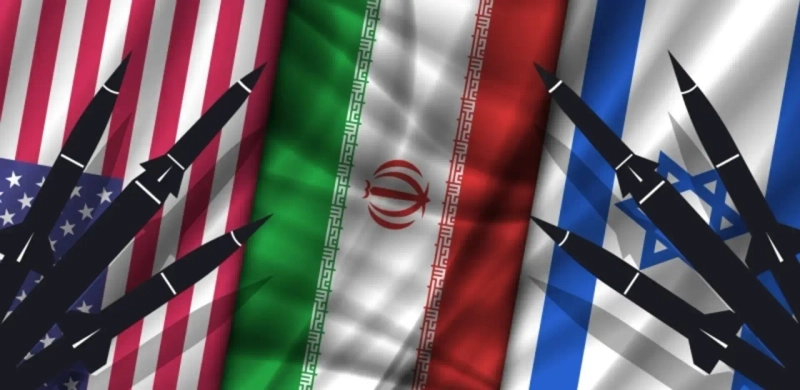
The US began blocking Iranian ports on June 13, a move aimed at tightening pressure on Tehran and gaining the upper hand in the next round of peace talks.
On June 12, US Central Command, which oversees American forces in the Middle East, warned ships operating in the Strait of Hormuz and the Persian Gulf that any vessel entering the blockade zone without approval would be intercepted, turned back or seized. While vessels unrelated to Iran would still be allowed to pass, traffic through the strait has in effect been shut off. Since the war began, only ships authorized by Iran had been able to transit the waterway. Now even those vessels can be blocked or seized.
Iran responded by threatening US allies in the Gulf, saying no port in the Persian Gulf or the Gulf of Oman would be safe. Tehran also said it could use other options it had not yet deployed in retaliation, though no attack followed. That has reinforced the view that both sides are trying to improve their bargaining positions ahead of the next peace talks.
The foreign ministers of Turkey and Egypt have held a series of calls with Steve Witkoff, the White House special envoy for the Middle East, and Iranian Foreign Minister Abbas Araghchi in an effort to mediate. A prolonged US blockade may prove hard to sustain if a full closure of the strait extends oil supply disruptions and deepens risks to the global economy. The move to block Iranian ports also fits President Donald Trump’s negotiating style of escalating pressure to force concessions.
Iran, which had been exporting 1.85 million barrels of crude a day to China and other buyers, now faces a difficult position. Oil sales had been a key source of war funding, and that channel is now under threat.
Negotiations between the two sides have reached a critical juncture. Without a last-minute compromise before the deadline, the standoff could slide into an unpredictable breakdown.
International oil prices climbed on concern that supply shortages would worsen. On June 13, May West Texas Intermediate crude rose about 8% to $104.20 a barrel, while June Brent crude gained about 7% to $101.86, sending both contracts back above $100.
Hormuz Faces a Double Lock as US Pressure on Iran Ripples Through the Global Economy
US Counter-Blockade in Hormuz Sends Oil Back Above $100
“A blockade to lift a blockade.”
The US military’s move on June 13 to block Iranian ports serves multiple purposes. It is intended to hurt Iran economically by restricting maritime traffic while also weakening Tehran’s de facto control over the Strait of Hormuz. It also underscores Washington’s effort to seize the initiative in peace negotiations after 21 hours of talks failed to produce a breakthrough.
The risk is that Iran’s strong response could push events in a direction Washington did not intend. Iranian Parliament Speaker Mohammad Bagher Ghalibaf said Iran would fight if the US chose confrontation and respond with logic if Washington came with logic, signaling Tehran’s readiness to resist.
That has heightened concern that the next phase of the blockade could do broader damage to the global economy. Even the two-week ceasefire declared on June 7 could collapse.

US Tries to Cut Off Iran’s Economic Lifeline
Most shipping through the Strait of Hormuz has halted since the war between the US and Iran began, but Iran had continued using the waterway freely. Energy data firm Kpler said Iran exported an average of 1.85 million barrels of crude a day through March, up 100,000 barrels from the average of the previous three months before the war.
The US had tolerated the passage of tankers carrying Iranian crude through the strait as it tried to limit turmoil in the oil market during the war. After international crude prices briefly rose above $110 a barrel last month, Washington temporarily eased sanctions to allow sales of Iranian crude already stored at sea.
That policy helped Iran secure war funding through oil sales. Iran was also reported to have sold crude to China and India at a premium to Brent.
The latest measure reflects Trump’s intent to impose a deeper economic shock on Iran and extract broader concessions during ceasefire talks.
Prolonged Blockade Could Deepen Economic Damage
A blockade on Iranian crude could further tighten conditions in the global energy market. Iran’s 1.85 million barrels a day account for about 14% of the 13 million barrels of oil a day already kept off the market by the war. A reduction of that scale would further tighten supply and add upward pressure to prices.
If the US military moves to a full-scale blockade operation, the war’s objective could shift from eliminating Iran’s nuclear capabilities to taking control of the Strait of Hormuz. About 60% of Iran’s positions along the strait’s coastline remain intact, raising concern they could draw the US Navy into an open-ended war of attrition.
The Wall Street Journal said the blockade could turn what has been a six-week conflict into an indefinite operation to control the strait. That, it said, could trigger a high-risk war of attrition testing whether Iran or global markets can endure more pain.
A US blockade of the strait could also prompt Iran to widen retaliation against nearby countries. The greatest concern centers on pipelines in Saudi Arabia and the United Arab Emirates. Saudi Arabia recently said a pipeline damaged in an Iranian attack has fully restored crude transport capacity of about 7 million barrels a day. The 1,200-kilometer line links oil fields in eastern Saudi Arabia with the Red Sea. If Iran attacks oil facilities again, efforts to move crude outside the Strait of Hormuz would be undermined. US intelligence officials say Iran still has thousands of ballistic missiles and can use a substantial number of launchers in underground storage sites.
Against that backdrop, Trump threatened to resume attacks on Iranian bridges, power plants and water treatment facilities. Whether the ceasefire holds may depend on how the blockade unfolds.
Park Shin-young, New York correspondent, Korea Economic Daily, nyusos@hankyung.com

Korea Economic Daily
hankyung@bloomingbit.ioThe Korea Economic Daily Global is a digital media where latest news on Korean companies, industries, and financial markets.