Strait of Hormuz Traffic Partly Recovers as More Than 20 Ships Pass in 24 Hours
Summary
- The Wall Street Journal reported that more than 20 commercial vessels passed through the Strait of Hormuz over the past 24 hours.
- The U.S. said it is allowing transit through the strait for ships that are not traveling to or from Iran.
- The WSJ said traffic through the Strait of Hormuz, a key route for global crude shipments, has improved significantly.
Forecast Trend Report by Period


WSJ Report
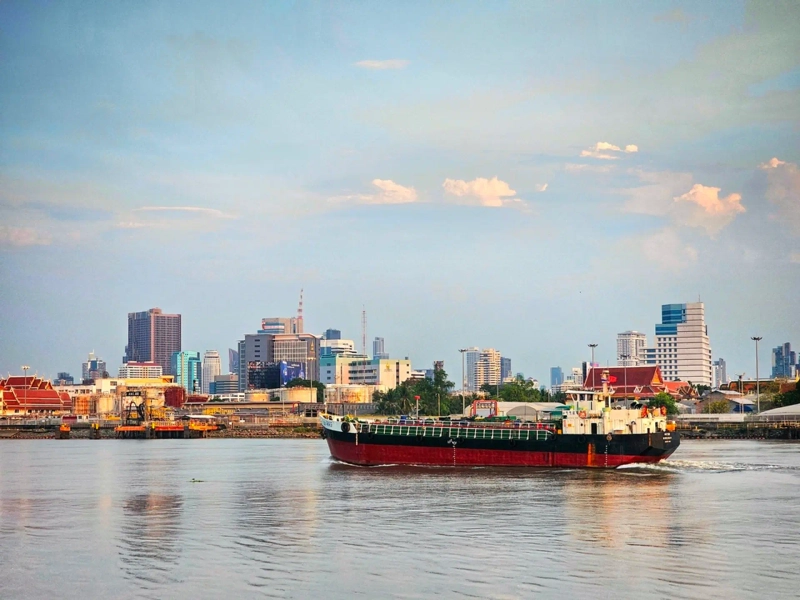
Shipping through the Strait of Hormuz is showing signs of a partial recovery as Iran maintains control over the waterway and the U.S. continues a maritime blockade targeting Tehran.
The Wall Street Journal reported on July 14, citing two U.S. officials, that more than 20 commercial vessels passed through the Strait of Hormuz in the past 24 hours.
The U.S. began what it calls a "counter-blockade" at 10 a.m. Eastern time on July 13 in response to Iran's effective closure of the strait. Ships traveling to or from Iranian ports are being restricted, while vessels not linked to Iran are being allowed to pass.
The ships included cargo vessels, container ships and tankers. Some reportedly sailed with their transponders turned off to avoid Iranian attacks.
The change came after the U.S. Navy deployed warships as part of a freedom of navigation operation and started mine-clearing work. The move points to a partial recovery in shipping after traffic had been curtailed following the outbreak of war between the U.S. and Iran amid the threat of Iranian mines.
The scale remains limited compared with prewar levels. Still, the WSJ said the increase indicates a substantial improvement in traffic through the Strait of Hormuz, a vital route for global crude shipments.
Go Jeong-sam, Hankyung.com reporter, jsk@hankyung.com

Korea Economic Daily
hankyung@bloomingbit.ioThe Korea Economic Daily Global is a digital media where latest news on Korean companies, industries, and financial markets.