Trump Says War Is 'Almost Over' as Second US-Iran Talks in Islamabad Loom
Summary
- The US and Iran are continuing behind-the-scenes contacts while leaving open the possibility of resuming a second round of ceasefire talks.
- The US and Iran are discussing ways to extend the deadline ahead of the ceasefire expiration on June 21.
- The US said maritime blockade measures against Iran and Israel-Lebanon ceasefire talks are proceeding in parallel.
Forecast Trend Report by Period


Second round of US-Iran talks could resume as early as June 16
Back-channel contacts continue behind the scenes
The US and Iran are keeping open the possibility of a second face-to-face round of ceasefire talks just days after their first negotiations ended without progress, while continuing back-channel contacts. With the ceasefire deadline approaching, the latter part of this week could prove pivotal in averting a broader breakdown and reviving diplomacy.
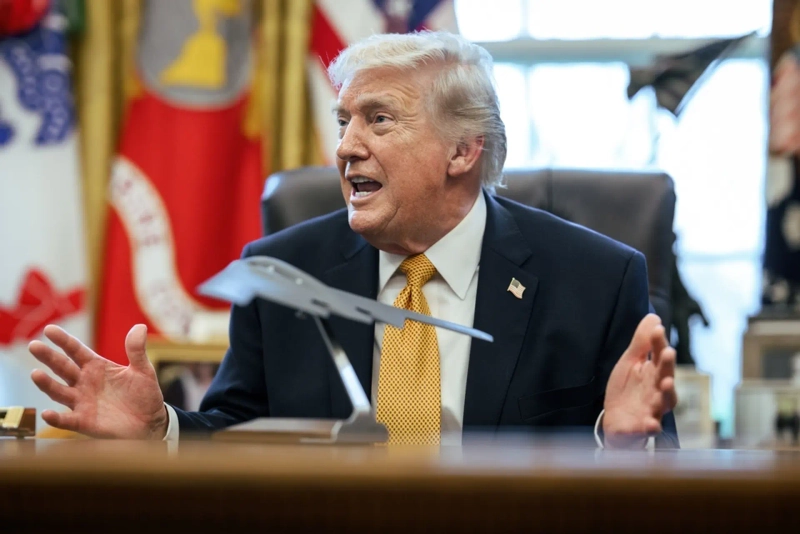
President Donald Trump told Fox Business in an interview on June 14 that the war between the US and Iran was "almost over." He said he believed the conflict was "very close" to ending.
Trump also raised the prospect that ceasefire talks with Iran could soon resume in Islamabad, Pakistan. In a phone interview with the New York Post the same day, he said, "You really should stay there," referring to Islamabad. "Because something could happen in the next two days, and it's become more likely that we'll go there."
The remarks added to expectations that US-Iran ceasefire talks could restart as early as June 16. Earlier reports by foreign media said the two sides could begin a second round of negotiations in Islamabad later this week.
The Associated Press reported that US diplomatic circles were continuing behind-the-scenes efforts through back channels to secure a second round of talks. If negotiations take place, Vice President JD Vance is expected to again lead the US delegation.
CNN, citing a source familiar with the negotiations, reported that Vance, US special envoy to the Middle East Steve Witkoff and Jared Kushner, Trump's son-in-law, are set to take part in the second round.
Trump directed the three men to come up with a diplomatic exit strategy to end the war, CNN added. They have remained in contact with Iran and mediators even after the first round of talks collapsed.
Continued efforts by Washington and Tehran have also raised the possibility that the ceasefire deadline could be extended. The two sides are discussing ways to prolong the deadline before the ceasefire expires on June 21, Russia's RIA Novosti reported, citing an Arab diplomatic source.
Israel, which had insisted the war was not over and had been uncooperative in negotiations, also appears to have effectively accepted a resumption of talks.
That shift comes as Israel and Lebanon agreed to hold high-level talks for the first time in 33 years since 1993 and pursue direct ceasefire negotiations.
If talks between Israel and Lebanon materialize, one front of the war would effectively be wound down, easing the risk of broader military conflict. Still, because the fighting is between Israel and Hezbollah rather than the Lebanese military, questions remain about whether such negotiations would be effective.
The US is also continuing maritime blockade measures aimed at pressuring Iran. In response to Iran's effective closure of the Strait of Hormuz, Washington has carried out what the article described as a counter-blockade on ships departing from or bound for Iranian ports.
Go Jeong-sam, Hankyung.com reporter jsk@hankyung.com

Korea Economic Daily
hankyung@bloomingbit.ioThe Korea Economic Daily Global is a digital media where latest news on Korean companies, industries, and financial markets.