OCI Holdings Hits Daily Limit on Report of $720 Million SpaceX Polysilicon Deal
Summary
- OCI Holdings shares jumped 24.93% on news that it had signed a long-term polysilicon supply contract with SpaceX.
- The deal is valued at about $720 million and could run for three to five years, fueling expectations that OCI Holdings will accelerate capacity expansion.
- The market focused on how the contract points to stronger-than-expected US demand for non-Chinese polysilicon.
Forecast Trend Report by Period


Pursues long-term polysilicon supply contract worth about $720 million
Shares jump 24.93%; market value swells by about $576 million
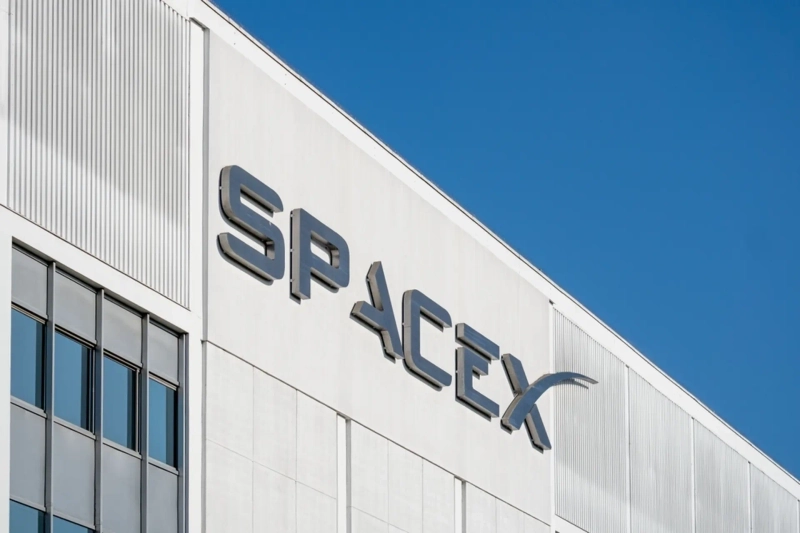
OCI Holdings surged on July 15 after a report said it had entered a long-term polysilicon supply agreement with SpaceX, the aerospace company led by Tesla Chief Executive Officer Elon Musk.
The polysilicon from OCI Holdings is set to be used in silicon-based solar cells as SpaceX expands production in the US.
OCI Holdings closed at 235,000 won in Seoul trading, up 24.93% from the previous session. The stock climbed as high as 244,500 won during the session, a fresh 52-week high. Market capitalization rose to 4.3875 trillion won, up about 800 billion won, or roughly $576 million, in a single day.
The jump followed a report that OCI TerraSus, the company’s wholly owned Malaysian unit, is working out final terms for a long-term polysilicon supply deal with SpaceX.
The contract is valued at about 1 trillion won, or roughly $720 million, and could run for three to five years, the report said. That would be nearly half of OCI TerraSus’s annual production capacity of 35,000 tons. A completed agreement would likely spur OCI Holdings to accelerate capacity expansion.
Investors focused on what the potential deal signals about US demand for non-Chinese polysilicon, which the market sees as far stronger than previously expected.
Cho Jae-won, an analyst at Kiwoom Securities, said companies with solar manufacturing facilities in the US are likely to prefer non-Chinese polysilicon because it reduces uncertainty tied to customs clearance procedures and tariffs, while also allowing them to benefit from the Advanced Manufacturing Production Credit, or AMPC.
Bae Seong-su, Hankyung reporter baebae@hankyung.com

Korea Economic Daily
hankyung@bloomingbit.ioThe Korea Economic Daily Global is a digital media where latest news on Korean companies, industries, and financial markets.