US, Iran Send Negotiating Teams to Pakistan as Shuttle Diplomacy Prospects Emerge
Summary
- The US and Iran may resume talks and direct or indirect dialogue in Pakistan.
- Iran is said to have brought a written response to a US peace proposal, with indirect negotiations through Pakistan also under discussion.
- The Strait of Hormuz remains under military tension, with ships still stranded as Iran’s vessel seizures and the US maritime blockade continue.
Forecast Trend Report by Period


Al Jazeera says direct talks remain possible, though the chances are slim
Iran and US could stay in separate rooms as Pakistan shuttles between them
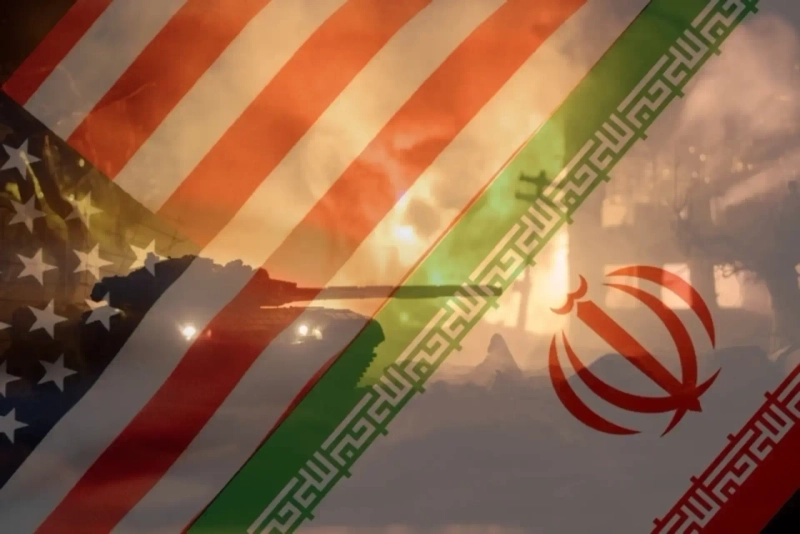
The US and Iran may make contact in Pakistan as soon as this weekend. Tehran has denied plans for direct talks, while a series of US media reports has pointed to a possible weekend meeting. Even if the two sides do not sit down face to face immediately, the developments suggest direct or indirect back-channel communication may already be underway.
Members of Iran’s negotiating team, including Foreign Minister Abbas Araghchi, arrived at Pakistan’s Nur Khan Air Base on April 24. Iran has insisted the trip was not intended for talks with the US. Foreign Ministry spokesman Esmaeil Baghaei wrote on X that no meeting between Iran and the US was planned.
Baghaei said Araghchi was visiting Islamabad to meet senior Pakistani leaders. He described the visit as part of cooperation with Pakistan’s continuing efforts to end the US-led war and restore regional stability. Iran’s position on negotiations would be conveyed to the Pakistani side, he added, signaling openness to indirect talks through a mediator.
The US side, however, appears to view a meeting as a real possibility. The New York Times, citing two senior Iranian officials familiar with the negotiations, reported that Araghchi would meet Steve Witkoff, the US special envoy for the Middle East, and Jared Kushner, President Donald Trump’s son-in-law, this weekend. The report also said Araghchi traveled to Islamabad carrying a written response to a US peace proposal.
Iran has publicly said it would not enter talks unless the US lifted its counter-blockade of the Strait of Hormuz. Privately, however, Iran has been seeking to restart negotiations through intermediaries including Pakistan, sources told the Times. The Washington Post also reported that talks would resume this weekend. A US official told the newspaper that Witkoff and Kushner had received confirmation from Iran on restarting negotiations. Otherwise, the official said, they would not be making the trip.
The White House said it expected positive progress from the delegation’s visit to Pakistan. Trump also signaled he was willing to hear Iran out, saying Tehran would present a proposal.
Reports differ on when any talks could begin. The Associated Press reported that a meeting was scheduled for Saturday, April 25. Axios, citing multiple sources, said it could take place on Monday, April 27.
Al Jazeera said the initial contact was expected to take the form of shuttle diplomacy. Iran’s team would remain in one room, the US side in another, and Pakistan would move between them as mediator. The broadcaster said the meetings would begin soon after the US delegation arrives in Islamabad. It added that direct talks between the two sides remained possible, though the odds were low. Whether that happens will depend on how constructively the two sides engage and whether they can make tangible progress.
Reuters reported that only five vessels passed through the strait in the 24 hours through April 24. Al Jazeera, citing Lloyd’s List, said at least 43 container ships belonging to the world’s 10 largest container lines remained stranded in Gulf waters.
Military tensions around the Strait of Hormuz remain unresolved as Iran’s seizure of vessels and the US maritime blockade continue.
Sang-eun Lee, Washington correspondent, Hankyung.com, selee@hankyung.com

Korea Economic Daily
hankyung@bloomingbit.ioThe Korea Economic Daily Global is a digital media where latest news on Korean companies, industries, and financial markets.