Iran’s IRGC Dominates Decision-Making, Clouding Prospects for U.S. Truce Talks
Summary
- An analysis said the Islamic Revolutionary Guard Corps (IRGC) has taken control of decision-making in Iran, reducing the chances of progress in truce talks with the U.S.
- Iran’s negotiating team has remained vague and uncooperative, while presenting preconditions including the lifting of a maritime blockade, slowing the pace of talks.
- U.S. media reports said deepening power dependency between Mojtaba Khamenei and the IRGC is fueling broader factional conflict between hard-liners and advocates of negotiations.
Forecast Trend Report by Period


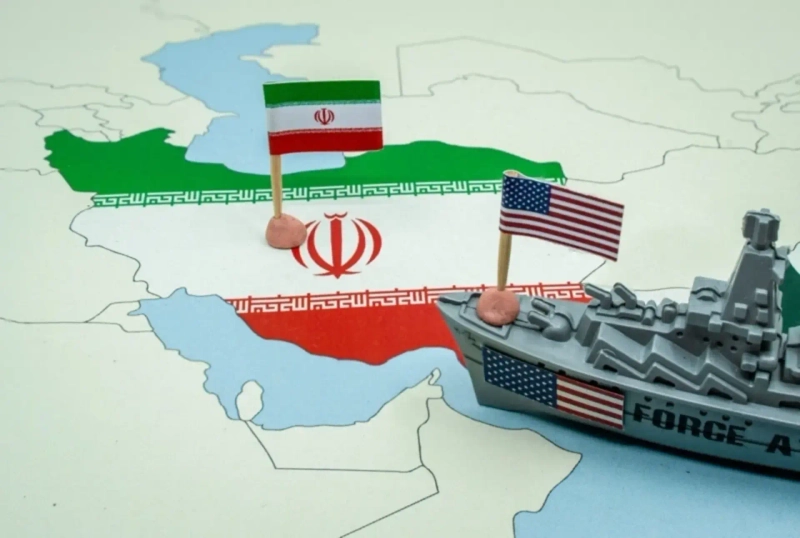
Prospects for progress in talks with the U.S. to end the war have dimmed after Iran’s Islamic Revolutionary Guard Corps, or IRGC, effectively seized control of the country’s core decision-making apparatus, an analysis found.
The Institute for the Study of War, a U.S. think tank, said in a joint report with the Critical Threats Project on April 25 that decision-making in Iran is being driven by the IRGC and a military leadership centered on commander Ahmad Vahidi. The report concluded that the military’s inner circle took control of the regime after the death of Supreme Leader Ayatollah Ali Khamenei.
Civilian officials, including Foreign Minister Abbas Araghchi, have been excluded from decision-making and are playing only a limited role in negotiations, the report said. That helps explain why Iran’s negotiating team has remained vague and uncooperative.
During the first round of talks in Islamabad, Pakistan, Iran also avoided laying out a specific position and maintained a cautious stance. ISW interpreted that as a sign that the negotiating team lacks authority to make independent decisions and has yet to settle its internal position.
With the IRGC opposed to any compromise with the U.S., negotiations face structural obstacles to progress. Iran is also slowing the pace of talks by setting preconditions, including the lifting of a maritime blockade.
Changes in Iran’s internal power structure have also emerged as a factor. U.S. media reports said the power dependency between Mojtaba Khamenei and the IRGC has deepened, while the supreme leader’s injury may have weakened the normal functioning of government. As a result, factional conflict between hard-liners and advocates of negotiations is widening.
Lee Song-ryeol, Hankyung.com reporter yisr0203@hankyung.com

Korea Economic Daily
hankyung@bloomingbit.ioThe Korea Economic Daily Global is a digital media where latest news on Korean companies, industries, and financial markets.