Brent Crude Jumps 4.8%, Breaks Above $126 for First Time Since June 2022
Summary
- Military tensions in the Middle East drove international oil prices sharply higher, with Brent crude hitting $126.41 a barrel intraday.
- Reports that President Trump is considering a naval blockade to pressure Iran and a possible resumption of military operations are fueling concerns over prolonged high oil prices.
- Amid a diplomatic deadlock between the U.S. and Iran, tensions around the Strait of Hormuz are persisting and energy prices are accelerating higher.
Forecast Trend Report by Period


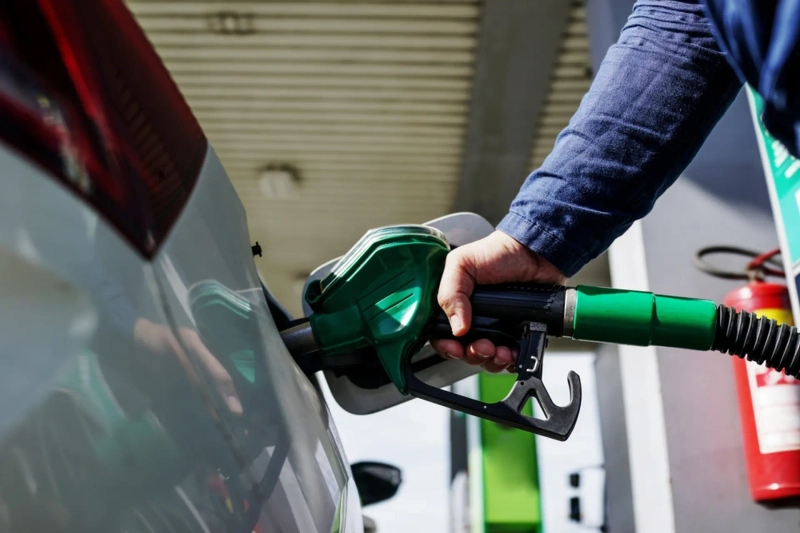
International oil prices surged as military tensions in the Middle East escalated again.
Brent crude for June delivery rose 4.81% to $123.71 a barrel as of 2 p.m. Korea time on April 30 on ICE Futures Europe in London. It climbed as high as $126.41 intraday, its highest level since June 2022.
West Texas Intermediate crude for June delivery traded at $109.75 a barrel on the New York Mercantile Exchange at the same time, up 2.69% from the previous session. It briefly touched $110.93, topping $110 during the session. Brent and WTI had already jumped 6.1% and 6.95%, respectively, the previous day.
A key driver of the latest gains was the possibility of a review of U.S. military options. Axios reported that Gen. Brad Cooper, commander of U.S. Central Command, which oversees American forces in the Middle East, was scheduled to meet President Donald Trump on April 30, a sign that a resumption of military operations was under serious consideration.
Concerns are also growing that high oil prices could persist. That followed a report the previous day that Trump had instructed aides to pursue a prolonged naval blockade to pressure Iran to abandon its nuclear program. Reports also said Trump met with oil and trading industry executives to discuss ways to minimize the domestic impact of an extended blockade.
Iran has maintained a hard-line stance. Iran's state-run Press TV reported on April 29, citing a senior Iranian security source, that a firm response would be unavoidable if the U.S. continued what it described as an illegal naval blockade near the Strait of Hormuz, adding that Tehran's patience had reached its limit.
Diplomatic talks between Washington and Tehran remain deadlocked. After Iran blocked the Strait of Hormuz, a key route for global energy shipments, the U.S. responded with a naval blockade aimed at preventing Iran-related vessels from entering or leaving the waterway. A second round of ceasefire talks also collapsed, further worsening relations between the two countries.
Robert Rennie, head of commodity research at Westpac Banking Corp., told Bloomberg that Trump had shattered the market's safety net, or hopes that the war would end soon. Traders are now confronting an uncomfortable reality: Both sides believe they are winning, neither has a clear incentive to negotiate, and energy prices are accelerating higher.
Shin Yong-hyun, Hankyung.com reporter yonghyun@hankyung.com

Korea Economic Daily
hankyung@bloomingbit.ioThe Korea Economic Daily Global is a digital media where latest news on Korean companies, industries, and financial markets.