Hegseth Says Iran Ceasefire Pauses War Powers Act’s 60-Day Clock
Summary
- At a U.S. Senate hearing, Defense Secretary Pete Hegseth said the War Powers Act’s 60-day rule does not apply because the Iran war is currently under a ceasefire.
- Lawmakers said Iran’s hard-line regime, stockpile of enriched uranium, and nuclear program remain intact, and argued that the use of force without a solid strategy could lead to long-term defeat.
- Hegseth said preventing Iran from obtaining nuclear weapons was a historic achievement, and dismissed those belittling that outcome as low-grade defeatists.
Forecast Trend Report by Period


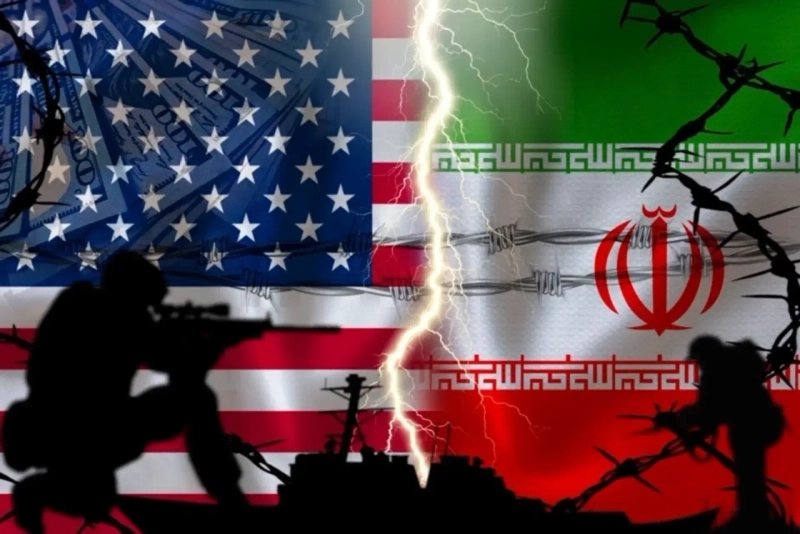
U.S. Defense Secretary Pete Hegseth told a Senate hearing on May 30 that the 60-day limit under the War Powers Resolution does not apply for now because the war with Iran is under a ceasefire.
Referring to the law that limits a president’s ability to wage war without congressional approval to 60 days, Hegseth said the administration believes the clock stops temporarily during a ceasefire. “We are in a ceasefire, and our view is that the 60-day clock pauses temporarily,” he said.
The War Powers Resolution, passed in 1973, requires the president to obtain congressional approval within 60 days or end the war. A 30-day extension can be requested for the safety of U.S. forces, but that also requires congressional approval. Trump began the war alongside Israel on Feb. 28 and notified Congress of the start of operations on March 2. Counting 60 days from March 2, the deadline expires on May 1. Still, there have been many past cases in which the rule was not strictly observed.
The U.S. announced a ceasefire with Iran on May 7. Since then, fighting between Israel and Hezbollah has continued in Lebanon, but the U.S. and Iran have avoided direct clashes. There have, however, been cases in which the U.S. attacked and seized Iranian vessels during efforts to impose and counter a maritime blockade in the Strait of Hormuz.
At the hearing, Democrats criticized Hegseth, saying he had failed to give President Donald Trump an accurate picture of the Iran war and had made “dangerously exaggerated statements” to create an image of U.S. military victory.
Some protesters disrupted the hearing during Hegseth’s opening statement, shouting slogans including “war criminal.” Senator Jack Reed of Rhode Island, the top Democrat on the Senate Armed Services Committee, said Iran’s hard-line regime remains intact, its stockpile of enriched uranium is unchanged, and its nuclear program is still viable.
Reed said declaring success too confidently could ultimately harm both the commander in chief and the service members who trusted that message and risked their lives in combat. U.S. forces had performed heroically, he said, but the use of force without a solid strategy would only lead to long-term defeat.
Hegseth pushed back again on May 30 after making similar remarks a day earlier. He said the biggest enemies the U.S. now faces are reckless opponents and defeatist comments from some Republican lawmakers. He also dismissed his critics as “low-grade defeatists” trying to belittle what he called a historic achievement and enormous effort to stop Iran from obtaining nuclear weapons with a level of courage no previous president had shown against a 47-year threat just two months into office.
Lee Sang-eun, Washington correspondent, Hankyung.com, selee@hankyung.com

Korea Economic Daily
hankyung@bloomingbit.ioThe Korea Economic Daily Global is a digital media where latest news on Korean companies, industries, and financial markets.