US Sea Blockade Leaves 53 Million Barrels of Iranian Oil Stranded, Worth $4.8 Billion
Forecast Trend Report by Period


"Iran Loses $4.8 Billion to Sea Blockade"
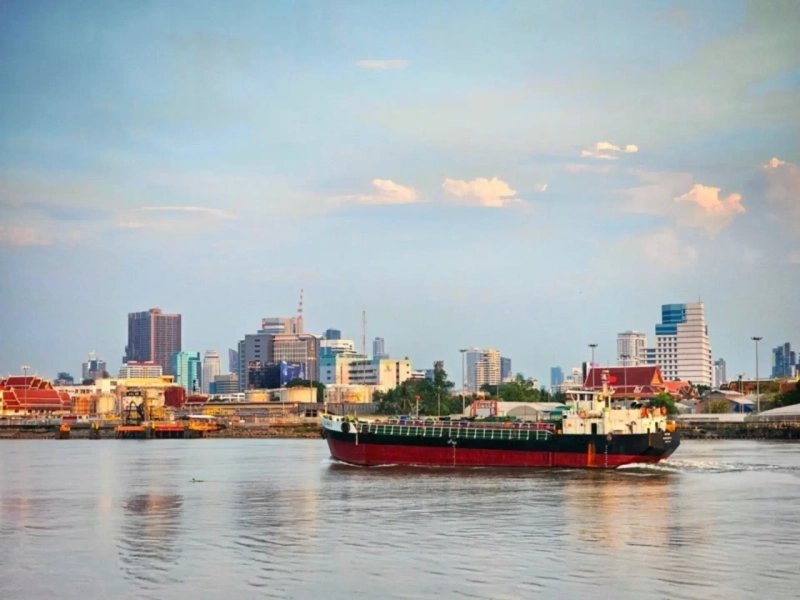
A U.S. sea blockade against Iran is tightening the squeeze on the country’s oil exports, a key source of revenue. Since the blockade began last month, 53 million barrels of Iranian crude have been stranded in the Gulf. The cargo is worth at least $4.8 billion. The U.S. Department of Defense has also assessed that Iran’s government is under unprecedented pressure as its oil export route is cut off.
Axios reported on May 1 that the Pentagon believes 31 tankers carrying 53 million barrels of Iranian crude have been stuck in the Gulf since the blockade began on April 13. The oil aboard those vessels is estimated to be worth at least $4.8 billion.
During that period, the U.S. military turned back more than 40 vessels that were trying to leave the waters carrying crude and other cargo. It also seized two Iranian ships. For Iran, which had relied on maritime exports to secure foreign currency, the shutdown has hit a major source of government funding.
The blockade is also creating a storage problem. Iran’s domestic crude storage facilities are believed to be close to full. As onshore capacity nears its limit, Iran has been using aging tankers to store crude at sea. That approach may not hold for long.
Gregory Brew, an analyst at Eurasia Group, said oil storage capacity could run short within a few weeks, or possibly a month. With exports blocked and space to store newly produced crude shrinking, bottlenecks across Iran’s energy industry could worsen.
There are also signs that Iran is trying to evade the blockade. Some Iranian tankers are attempting indirect exports to avoid U.S. surveillance. One large Iranian tanker, the Huge, recently headed to a port in the Strait of Malacca in Malaysia after passing the coasts of Pakistan and India. Experts view the port as a transshipment hub where oil can be transferred to ships bound for China.
Samir Madani, co-founder of tanker-tracking firm TankerTrackers.com, told Axios that the case of the Huge shows how Iranian tankers are trying to evade the U.S. blockade. He added that Iran may build additional oil storage facilities near the Pakistan border and wait for a chance to stage what he described as a "great escape" from the Gulf.
The Pentagon said the blockade is having its intended effect. "This blockade operation is achieving the decisive effect we intended," acting Pentagon Press Secretary Joel Valdez said. "We are inflicting a devastating blow on the Iranian regime’s ability to support terrorism and fuel regional instability."
Kim Dae-young, Hankyung.com reporter kdy@hankyung.com

Korea Economic Daily
hankyung@bloomingbit.ioThe Korea Economic Daily Global is a digital media where latest news on Korean companies, industries, and financial markets.