Iran Truce Effectively Over as Oil Jumps, US 30-Year Yield Tops 5%
Summary
- The ceasefire between the US and Iran has effectively collapsed, sending international oil prices sharply higher and pushing the 30-year US Treasury yield above 5%.
- The surge in oil prices has increased the risk of higher inflation and concerns about the US national debt burden, driving Treasury yields broadly higher.
- Bank of America called the 30-year US Treasury yield at 5% a "line in the sand" and warned that if it rises above that level, the door to ruin could open.
Forecast Trend Report by Period


Middle East tensions escalate again as 30-year US Treasury yield climbs above 5%
US launches Project Freedom
Iran fires missiles toward the UAE in response
30-year yield is tied to mortgages and other borrowing costs
BofA says a move above 5% could open the "door to ruin"
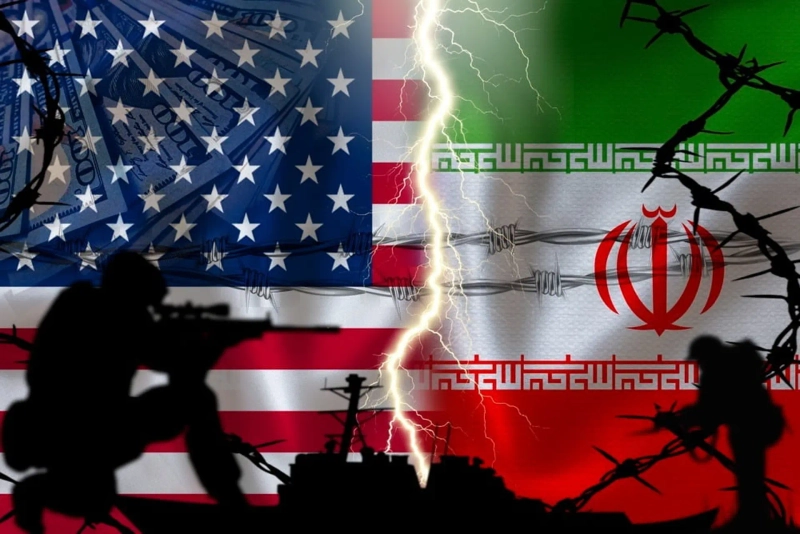
A fragile ceasefire between the US and Iran that had held for about a month has effectively collapsed. Military tensions flared again after US forces launched Project Freedom, an operation to free commercial vessels stranded by Iran’s blockade of the Strait of Hormuz. Markets also swung sharply. Oil prices surged, reviving inflation concerns, while the yield on the 30-year US Treasury rose above the 5% threshold.
Military tensions flare again
The two sides sharply raised tensions on May 4, the first day of Project Freedom. The US said it struck Iranian weapons and vessels while supporting the passage of commercial shipping. Iran, for its part, claimed it had attacked US naval ships. Gen. Brad Cooper, commander of US Central Command, said Iran fired cruise missiles at ships in the Strait of Hormuz and launched drones, which US Navy vessels shot down. He added that US Army Apache helicopters also sank six small Iranian military speedboats that had threatened merchant ships.
Iran also kept up its show of force against the US operation. After a monthlong pause, Tehran resumed attacks in the Gulf. The United Arab Emirates said it detected four cruise missiles launched from Iran on May 4 and intercepted three over its territorial waters. The fourth fell into the sea. The Fujairah government said an Iranian drone strike caused a fire at an oil industrial complex. The site includes an oil export terminal that can bypass the Strait of Hormuz. The New York Times reported that a residential area in Bukha, an Omani coastal city near the strait, also came under attack.
Oil, Treasury yields jump
Fears that the standoff could widen into a broader conflict sent oil prices higher. Brent crude for July settlement rose 5.80% to $114.44 a barrel at the close on ICE Futures Europe. West Texas Intermediate for June delivery gained 4.39% to settle at $106.42 a barrel on the New York Mercantile Exchange.
The jump in oil prices reignited inflation fears and pushed Treasury yields higher. Concerns that a war with Iran would increase fiscal spending and add to the US debt burden also weighed on bonds.
The 30-year Treasury yield rose 6 basis points to 5.02% at about 3 p.m., CNBC reported. That yield serves as a benchmark for 30-year fixed mortgage rates and high-grade corporate bonds. In a recent investor note, Michael Hartnett, Bank of America’s chief investment strategist, called 5% on the 30-year Treasury a "line in the sand." If yields break above that threshold, "the door to ruin" could open, he wrote. The 10-year Treasury yield climbed 6 basis points to 4.44% the same day, while the policy-sensitive two-year yield rose 7 basis points to 3.96%.
Will Project Freedom become the key variable?
The US projected confidence. Treasury Secretary Scott Bessent told Fox News on May 4 that "we have complete control over the strait." He also urged allies and China to join efforts to reopen the Strait of Hormuz. "We are demanding that Iran release these ships for the benefit of the international community," Bessent said, adding that he expected international partners to engage in the same way.
Bessent also said oil prices should stabilize before long. He said the war with Iran has created a crude supply shortfall of about 8 million to 10 million barrels a day, while a single tanker moving through the Strait of Hormuz can carry about 2 million barrels. If four to five ships pass each day, the supply disruption could be eased. Given current conditions, 150 to 200 vessels now stranded in the strait could be released, he said. "The market will see supply become very smooth."
Lee Hye-in, Hankyung.com reporter hey@hankyung.com

Korea Economic Daily
hankyung@bloomingbit.ioThe Korea Economic Daily Global is a digital media where latest news on Korean companies, industries, and financial markets.