Not Over Until It’s Over: Washington Greets Optimism on US-Iran Talks With Doubt
Summary
- Trump said the US and Iran had held “very positive talks” and raised the possibility of lifting economic sanctions, as oil prices tumbled and the Nasdaq hit another record.
- The chances of a deal have improved as Iran reviews a framework under which it would abandon nuclear development and reopen the Strait of Hormuz in exchange for lifting US economic sanctions, but there are still few concrete signs of real negotiating progress.
- War risk and oil-price volatility remain in play because Trump’s military option appears less credible, the US is set to maintain economic pressure, and Israel remains a potential military wild card.
Forecast Trend Report by Period


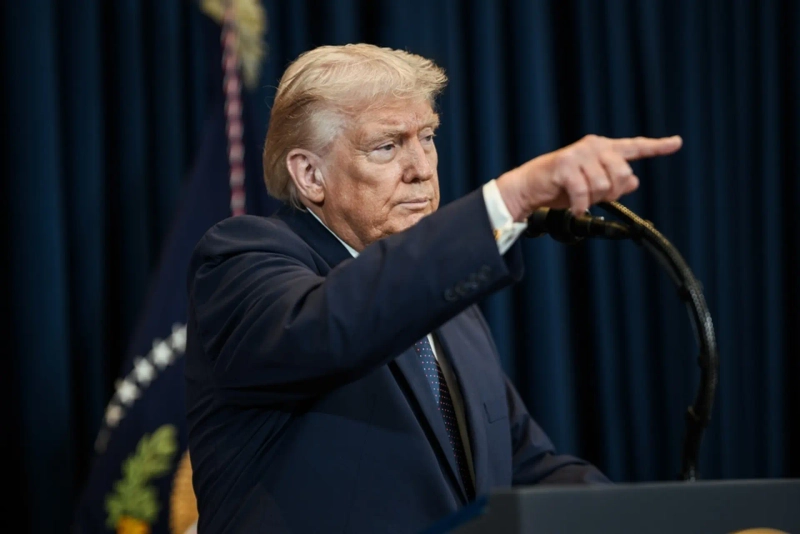
President Donald Trump told reporters on May 6 that the US had held “very positive talks” with Iran over the previous 24 hours. Oil prices tumbled, and the Nasdaq climbed to another record.
Even so, the broader mood in Washington remains cautious. The prevailing view is that it is too soon to call this a breakthrough.
What Axios reported appears to reflect more of what Washington wants than what Iran has actually agreed to. Even so, the gap between the two sides has narrowed sharply from the initial proposals, making a deal more plausible. The US initially demanded that Iran stop backing proxy groups such as Hezbollah, halt ballistic missile development and immediately ship out its uranium. That was close to a demand for total capitulation, making it difficult for Tehran to accept. Iran’s own early proposals were also too extreme for Washington.
The agenda has since narrowed. The core framework now appears to be that Iran would abandon its nuclear development program and reopen the Strait of Hormuz, while the US would lift economic sanctions and help Iran rejoin the international community. That was also broadly the basis of discussions before the war, making it a more realistic starting point.
Iran’s statement on May 6 that it was reviewing the US proposal was itself a positive sign. Iranian media denied that nuclear issues were being discussed and dismissed the Axios report as US propaganda. Still, they said talks on ending the war were taking place.
Several factors, however, are slowing rapid progress. The US has not lifted its blockade operations against Iran. There were reports on May 6 that a US warship intercepted a tanker believed to have come from Iran. Even if both sides broadly agree on eventually ending the blockade, the talks could drag on as they continue to test each other.
Another source of unease is the lack of concrete signs that negotiations are actually advancing. Secretary of State Marco Rubio made no mention of any such progress at his May 5 press conference. Rubio also appeared unaware of any major developments. That raises questions about how far the talks could really have progressed if the national security adviser, Rubio, did not appear to have a firm grasp of them.
Another key issue is the extent of US leverage over Iran. Trump has said bombing would begin if no deal is reached, but that possibility appears to be fading. Washington looks set to rely more on economic pressure than military force. Prices inside Iran have surged and the economy has worsened. Even so, some media reports on May 6 said Iran still had spare capacity at its oil storage facilities.
Israeli Prime Minister Benjamin Netanyahu said in a statement on May 6 that Israel and the US share the goal of removing enriched uranium from Iran, and that Trump believes that objective can be achieved one way or another. The remarks sounded like a signal that military strikes on Iran could resume. They also suggest that Israel’s reluctance to wrap up the war quickly could remain a variable.
Taken together, the situation brings to mind the phrase: It’s not over until it’s over. Still, the US appears determined to bring the conflict to a close, and Iran cannot indefinitely keep the Strait of Hormuz blocked while holding the international community hostage. If Tehran turns everyone against it, it will not achieve its goal of rejoining the international community. With time becoming a burden for both sides, the key will be whether they can find a realistic point of compromise.
Lee Sang-eun, Washington correspondent, Hankyung.com, selee@hankyung.com

Korea Economic Daily
hankyung@bloomingbit.ioThe Korea Economic Daily Global is a digital media where latest news on Korean companies, industries, and financial markets.